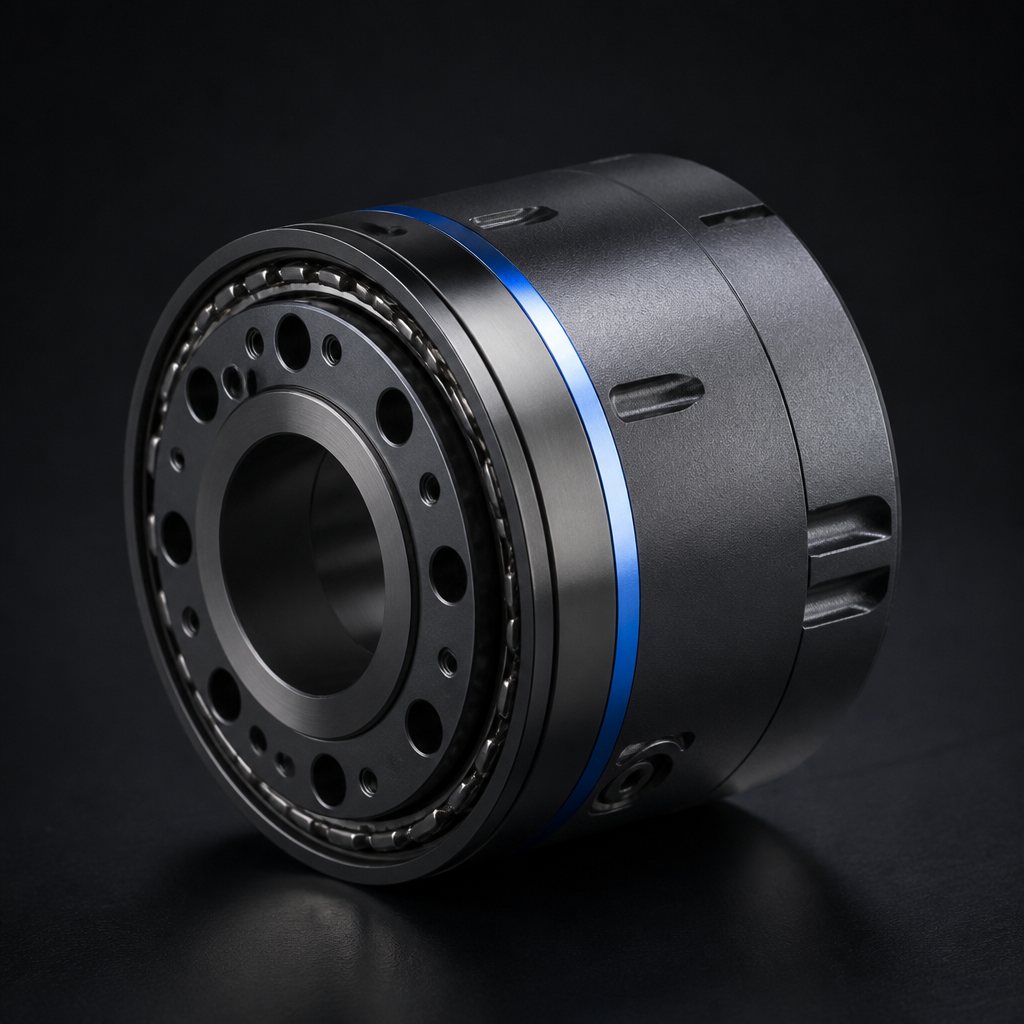
Integrated Joint Torque Sensors in 2026: Why Six-in-One Actuators Are Replacing Motor-Current Force Estimation
Why 2026 humanoid robots and advanced cobots rely on six-in-one joint modules with integrated strain-gauge torque sensors rather than motor-current estimation for Physical AI.
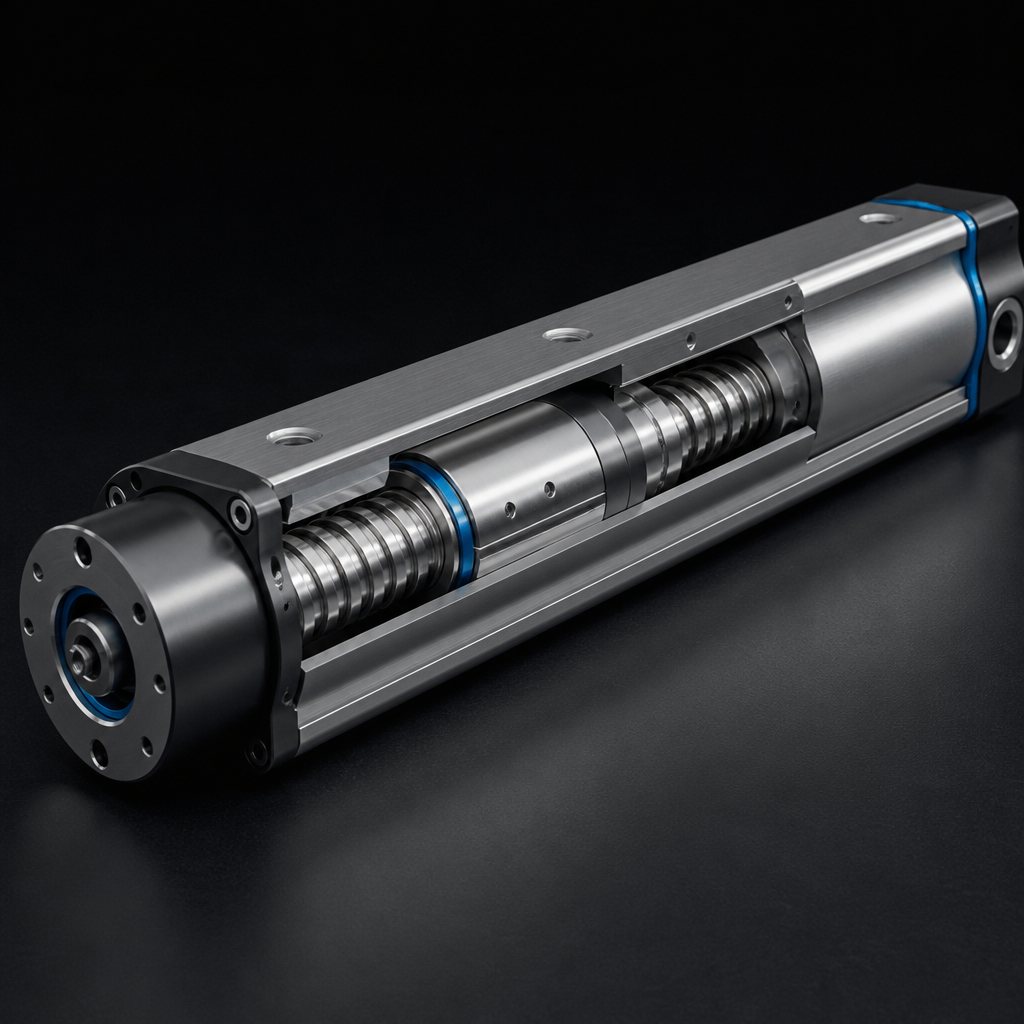
Humanoid Robot Actuator Architecture in 2026: Rotary Harmonic vs. Linear Roller Screw Joint Distribution
Analysis of 2026 humanoid robot actuator distribution: how 28-32 DOF humanoid platforms balance rotary harmonic joint modules and inverted planetary roller screw linear actuators.
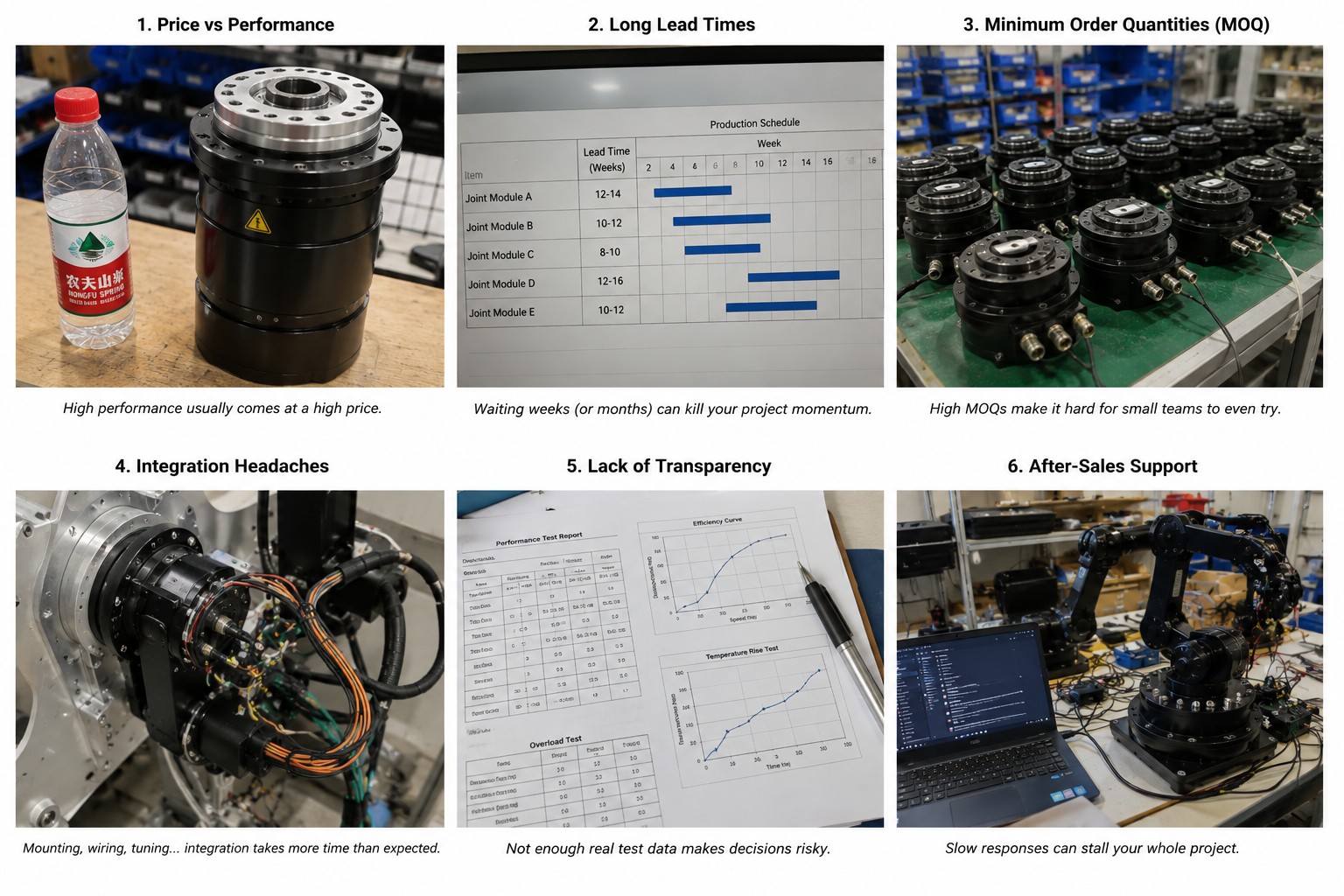
7 Real Robot Joint Module Problems Engineers Keep Running Into
A practical look at backlash, continuous torque, encoder feedback, CAN/EtherCAT integration, wiring, hidden engineering cost and prototype sourcing.

How to Read a Joint Module Datasheet: Torque Curves, Precision Grades and Communication Protocols
The three specs that decide every joint module purchase — torque curve, precision grade and fieldbus — read like a pro.
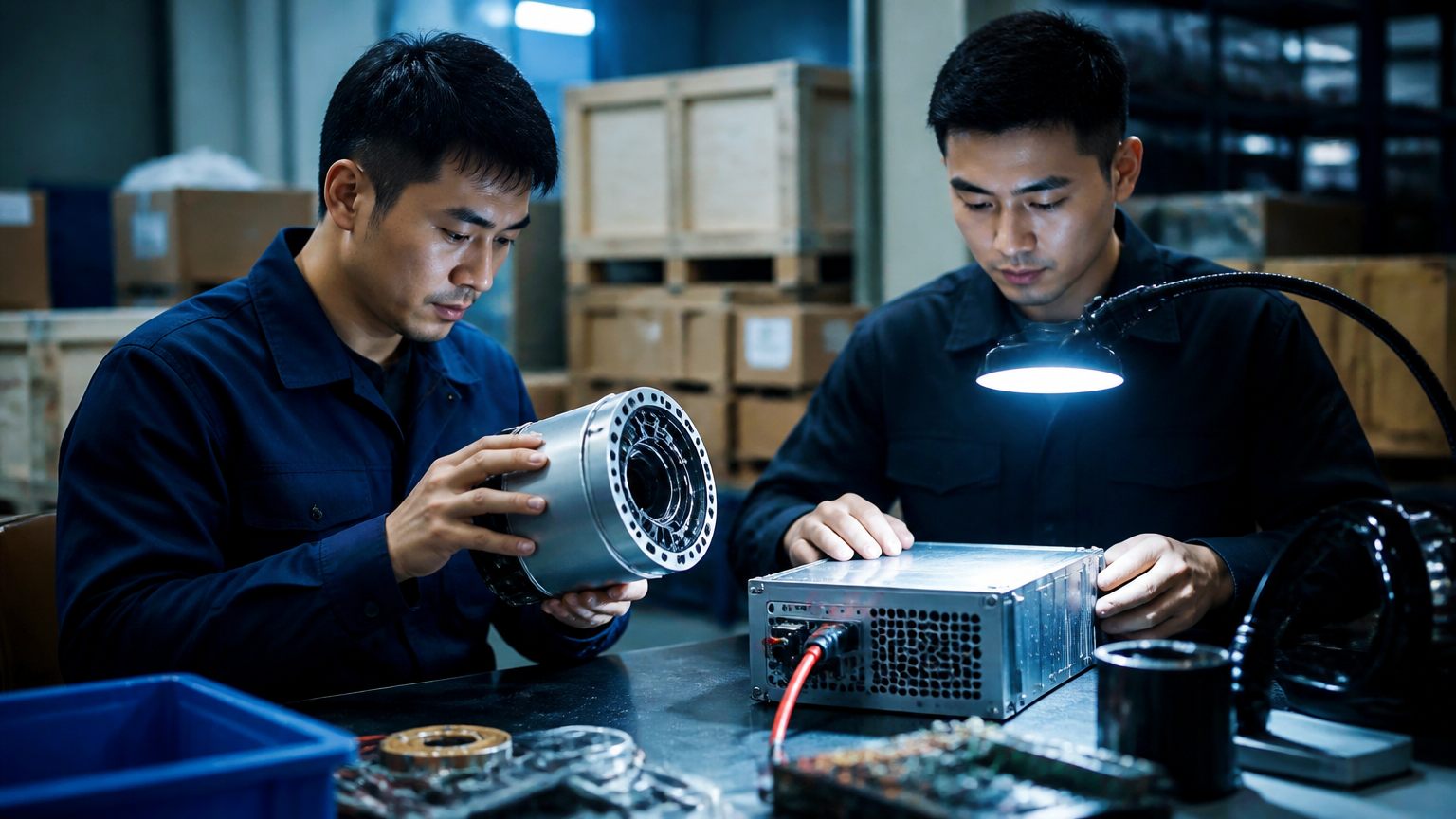
Buying Robot Joint Modules for Southeast Asia: Sourcing, 48V Power, Lead Times and After-Sales Support
A practical procurement guide for Vietnam, Malaysia and Singapore: suppliers, 48V power resilience, lead times, support and customs.

Automation ROI in Southeast Asia: Joint Module Economics, Labor Costs and Payback Periods
The real math of robot arm automation ROI in Thailand, Vietnam and Indonesia: payback formulas, labor costs and government incentives.
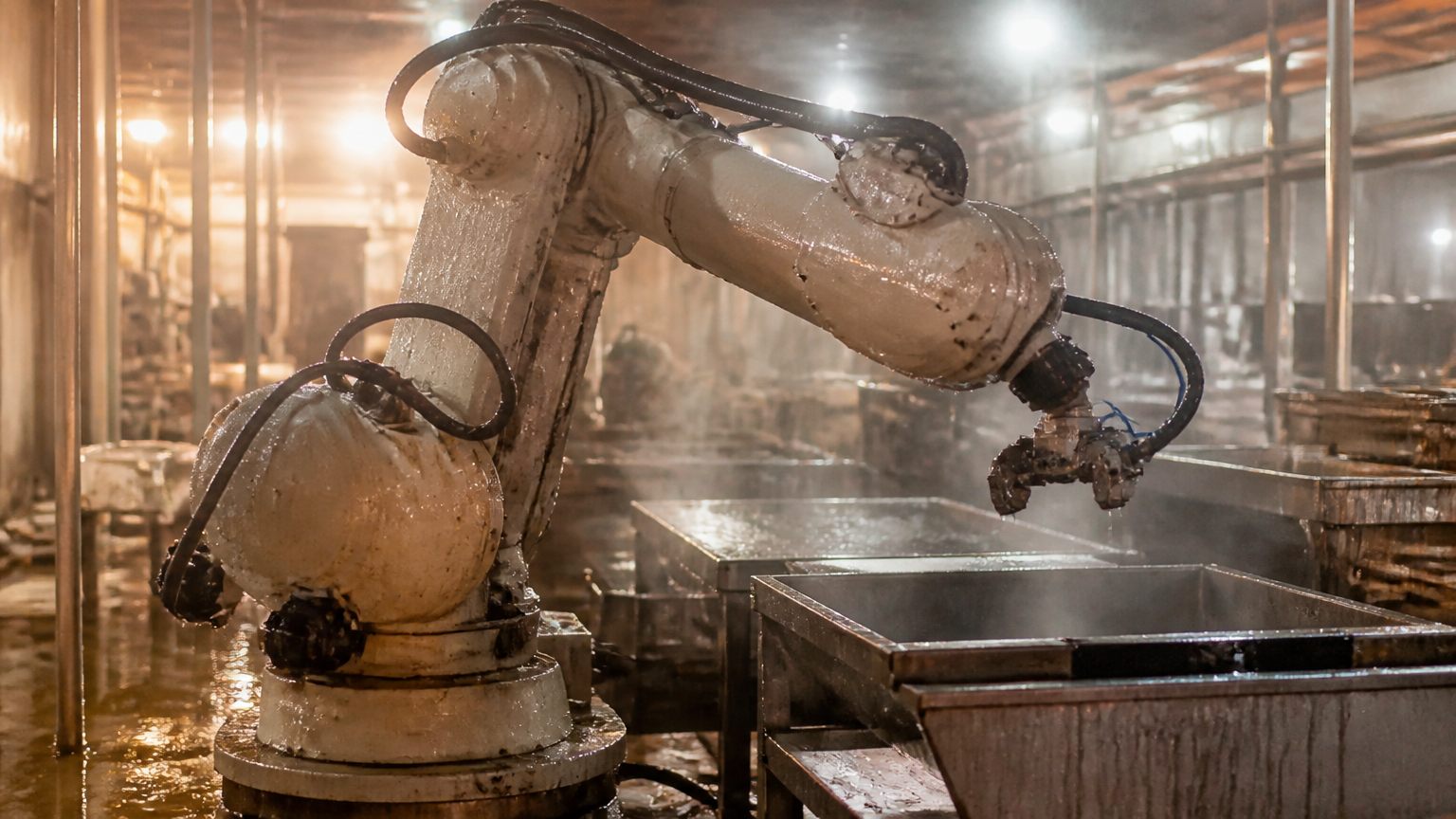
Robot Joint Modules for Hot, Humid Climates: IP Ratings, Corrosion and Condensation
Why tropical heat and humidity break joints — condensation, corrosion, seal wear — and how to spec IP-rated modules for Southeast Asia.

Care & Service Robot Joint Modules: Building Japan's Aging-Society Robotics
Spec care robot actuators for Japan's aging society: lightweight, low-speed high-torque joints with human-friendly torque control.
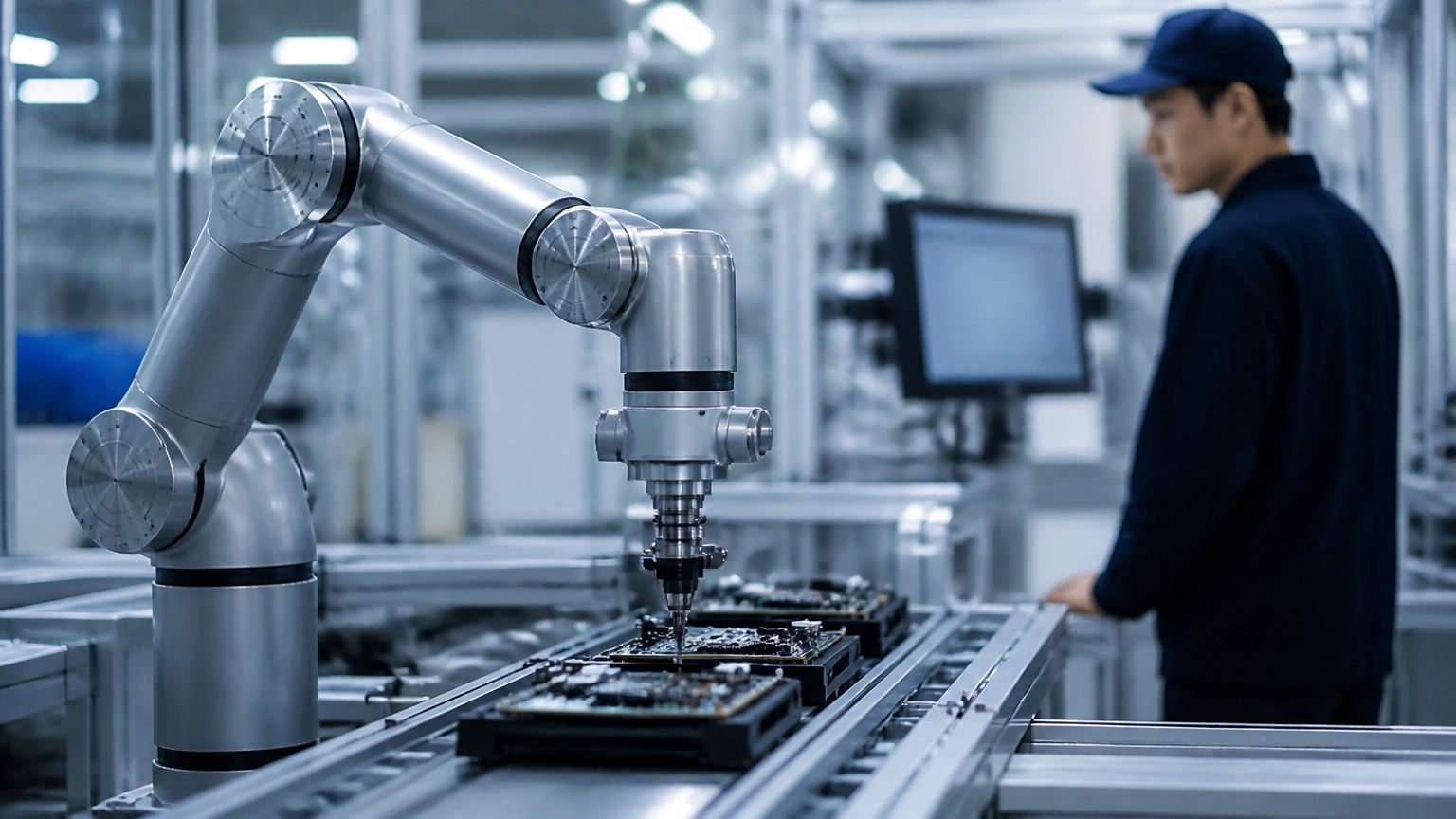
Robot Joint Modules for Japanese Manufacturing: Precision, Compactness and Safety Standards
What Japanese factories expect from joint modules: zero backlash, dimensional precision, space-saving compactness and JIS safety compliance.