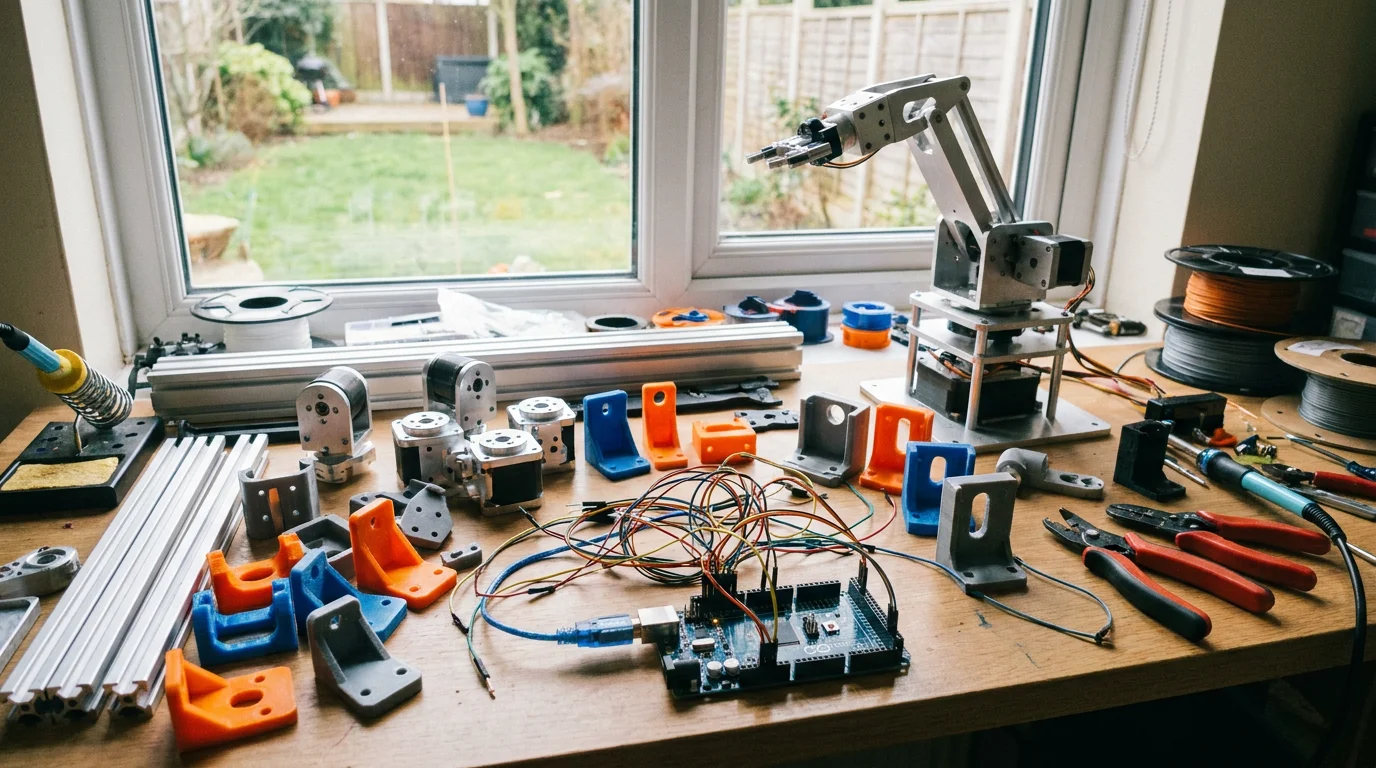
Harmonic Drive vs Cycloidal Drive: Which Gearbox for Your Robot Joint
Harmonic drives offer unmatched precision and low weight for cobots, while cycloidal drives provide superior shock resistance for heavy industrial use.
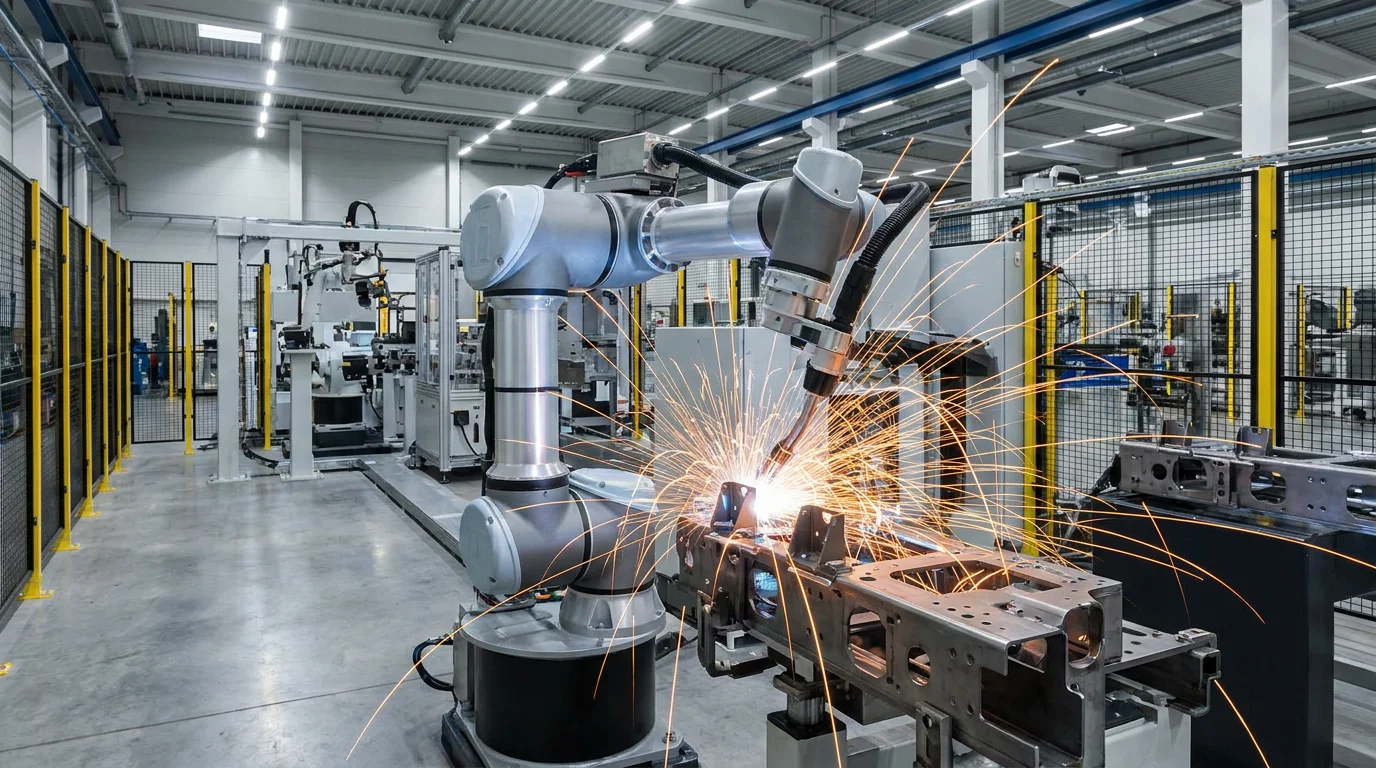
How to Calculate Torque Requirements for Robot Joints
Proper torque calculation involves balancing static loads, dynamic inertia, and safety margins against the manufacturer's torque-speed curves.
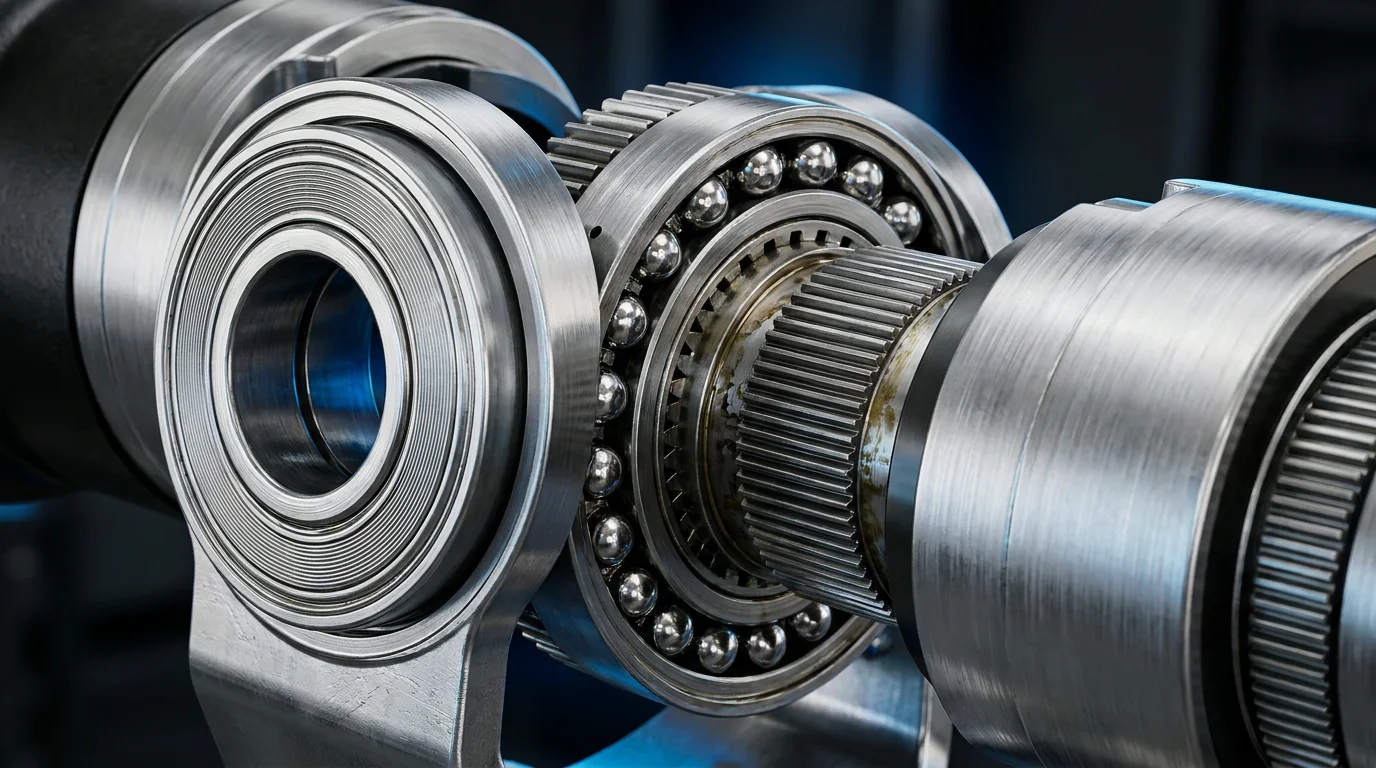
How Robot Joint Modules Work: A Technical Deep Dive
Robot joint modules are the building blocks of modern robotics, combining motors, reducers, and electronics into a single, high-precision unit.
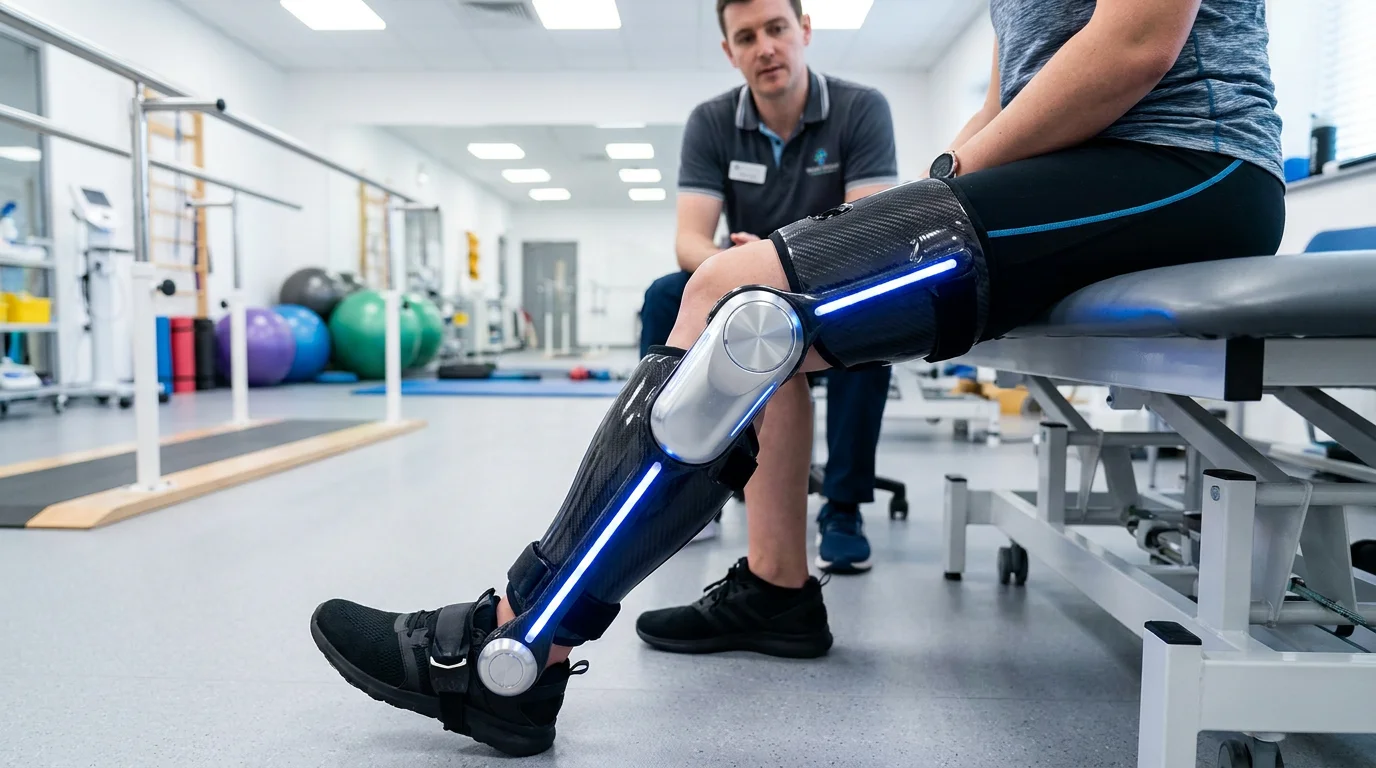
Robot Joint Modules for Exoskeletons and Wearable Robotics
Actuators for exoskeletons demand unique torque profiles, high backdrivability, and lightweight designs. Learn how joint modules meet wearable robotics requirements.
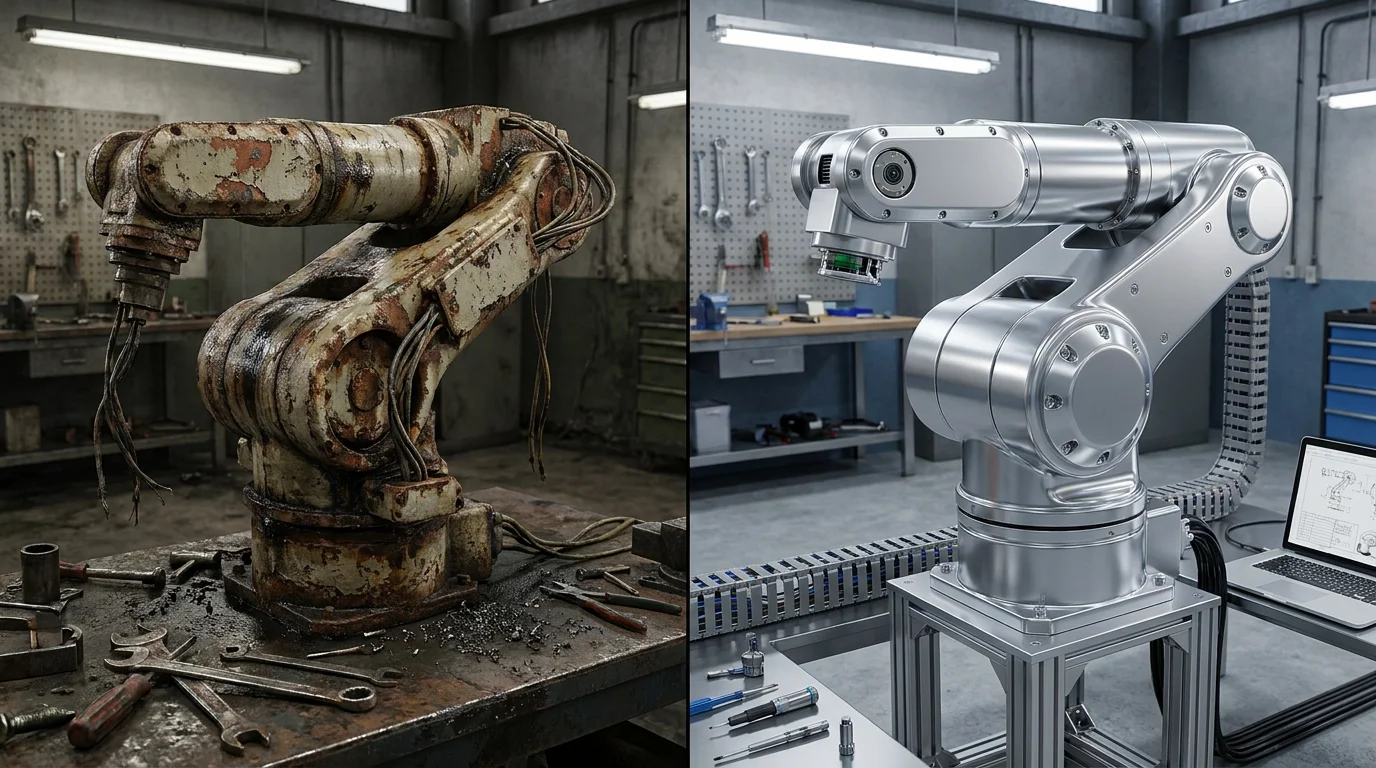
Retrofitting Legacy Industrial Robots with Modern Joint Modules
Extending the service life of legacy robots with modern joint modules reduces downtime and boosts precision without full system replacement.
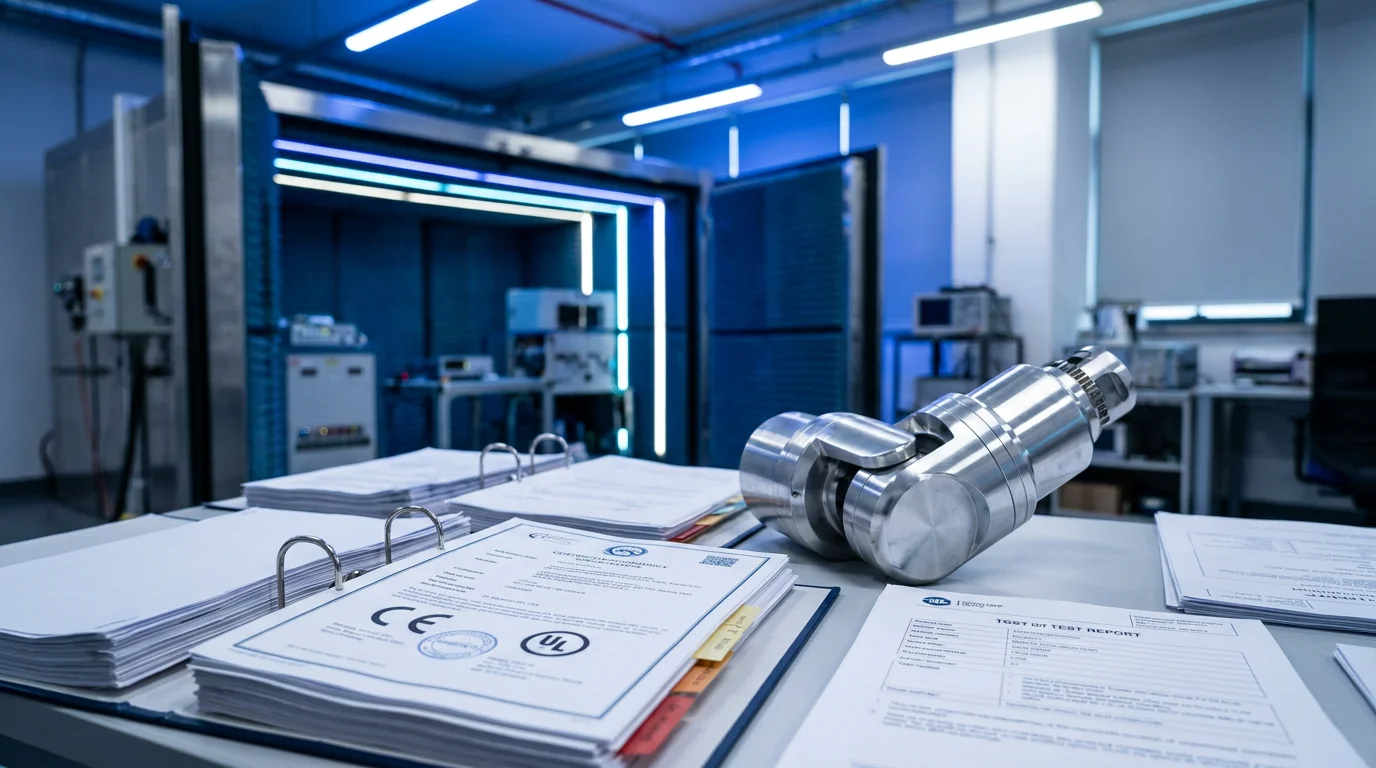
CE and UL Certification Guide for Robot Joint Module Manufacturers
Navigate the CE, UL, and IEC certification landscape for robot joint modules, including EMC, functional safety, and regional compliance requirements.

Building a Resilient Supply Chain for Robot Joint Module Procurement
Multi-source procurement, buffer inventory, and supplier qualification frameworks to build a resilient joint module supply chain.

Simulation and Digital Twin Workflows for Robot Joint Module Integration
Integrate joint module physics models into digital twin platforms for predictive maintenance, virtual commissioning, and real-time performance monitoring.
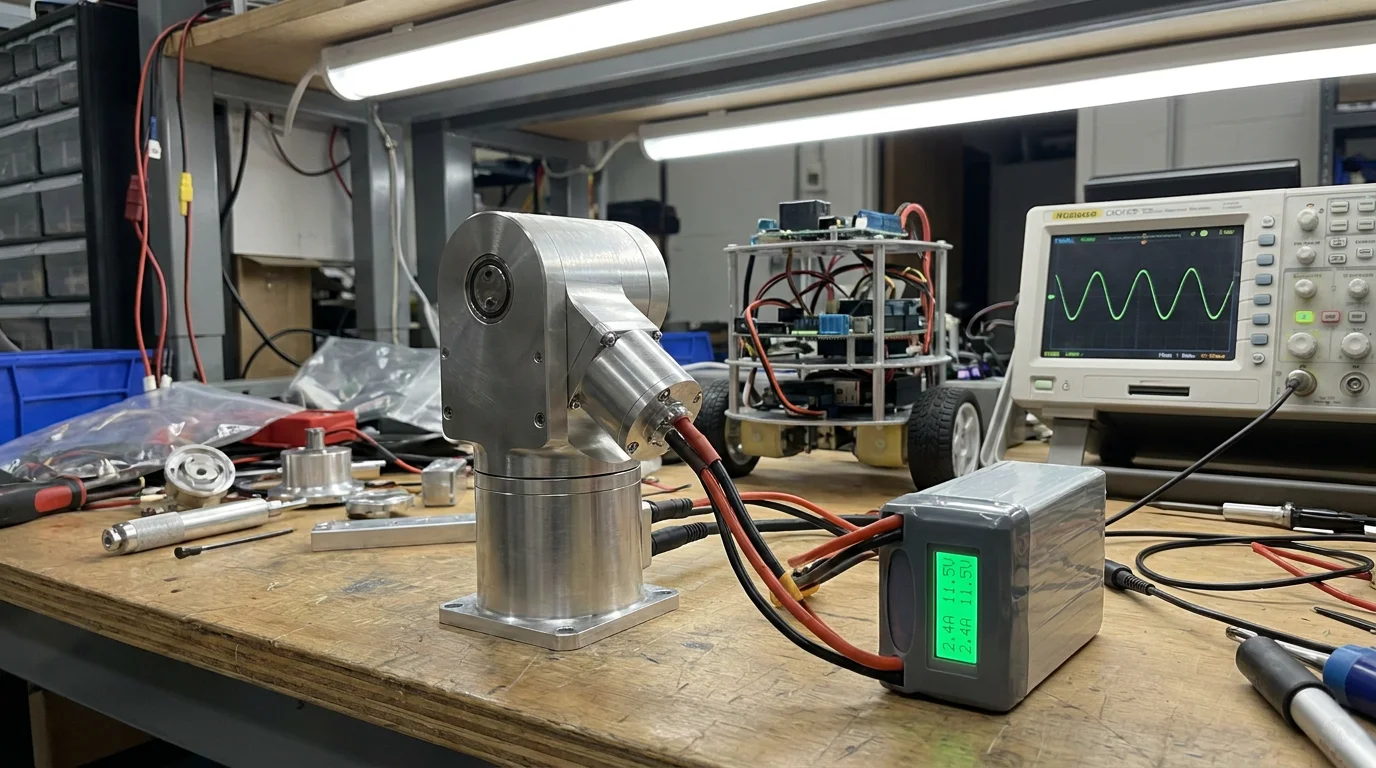
Battery-Powered Robot Joint Modules: Efficiency and Runtime Optimization
Optimizing motor efficiency, standby current draw, and regenerative braking in DC-powered joint modules for mobile and untethered robots.