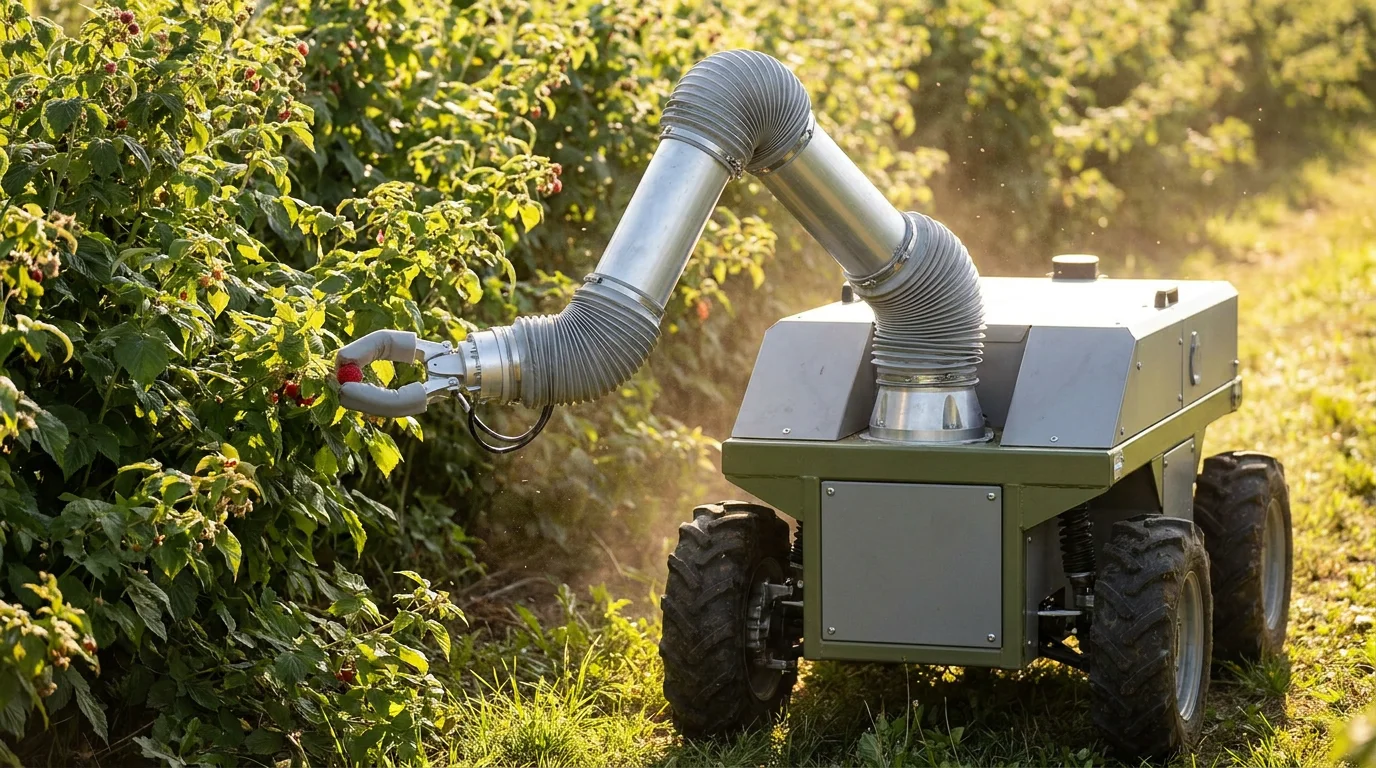
How to Select Joint Modules for SCARA Robot Builds
SCARA robots require a balance of high-torque base joints and ultra-lightweight wrist modules to achieve their signature speed and precision.
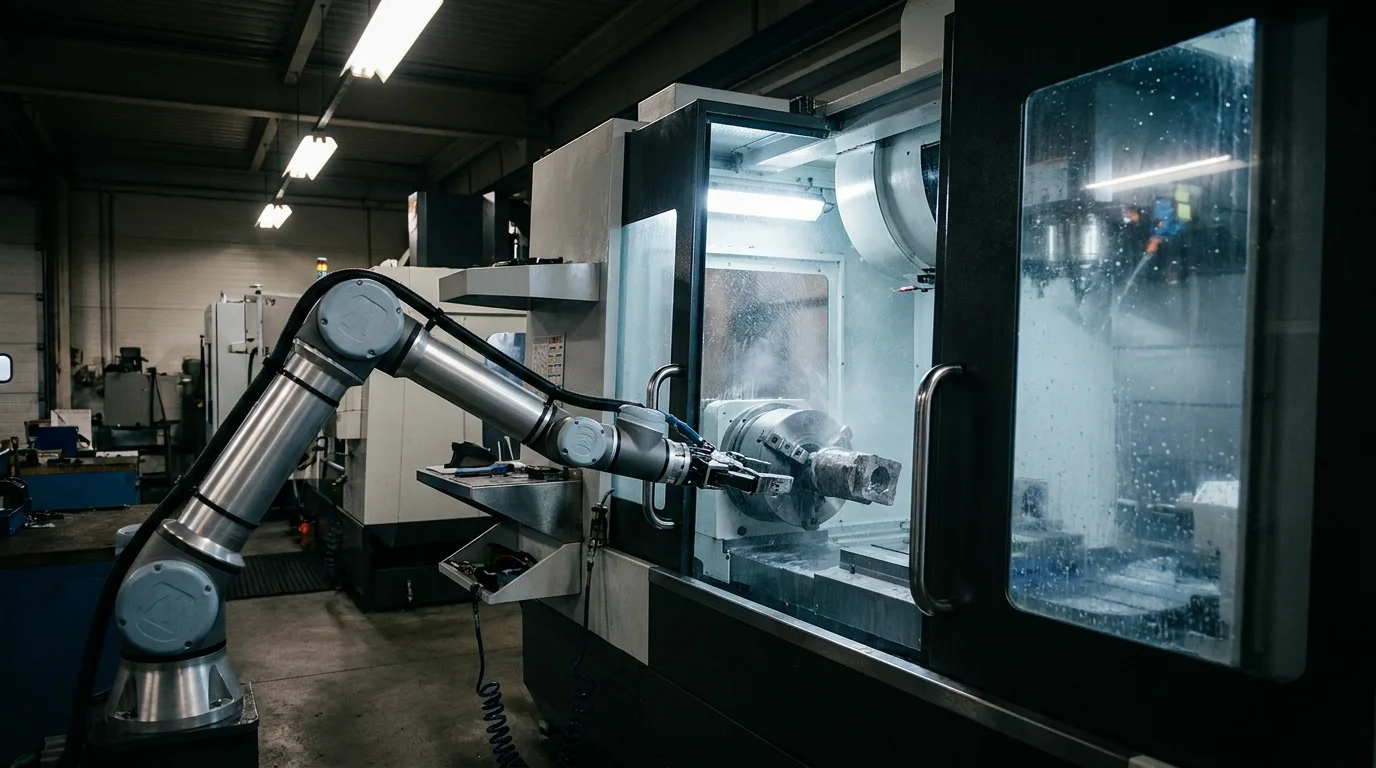
What Is Backlash and Why Zero-Backlash Matters in Robot Joints
Backlash is the clearance between gear teeth that causes lost motion. Zero-backlash harmonic drives are essential for the precision and stability required in modern robotics.
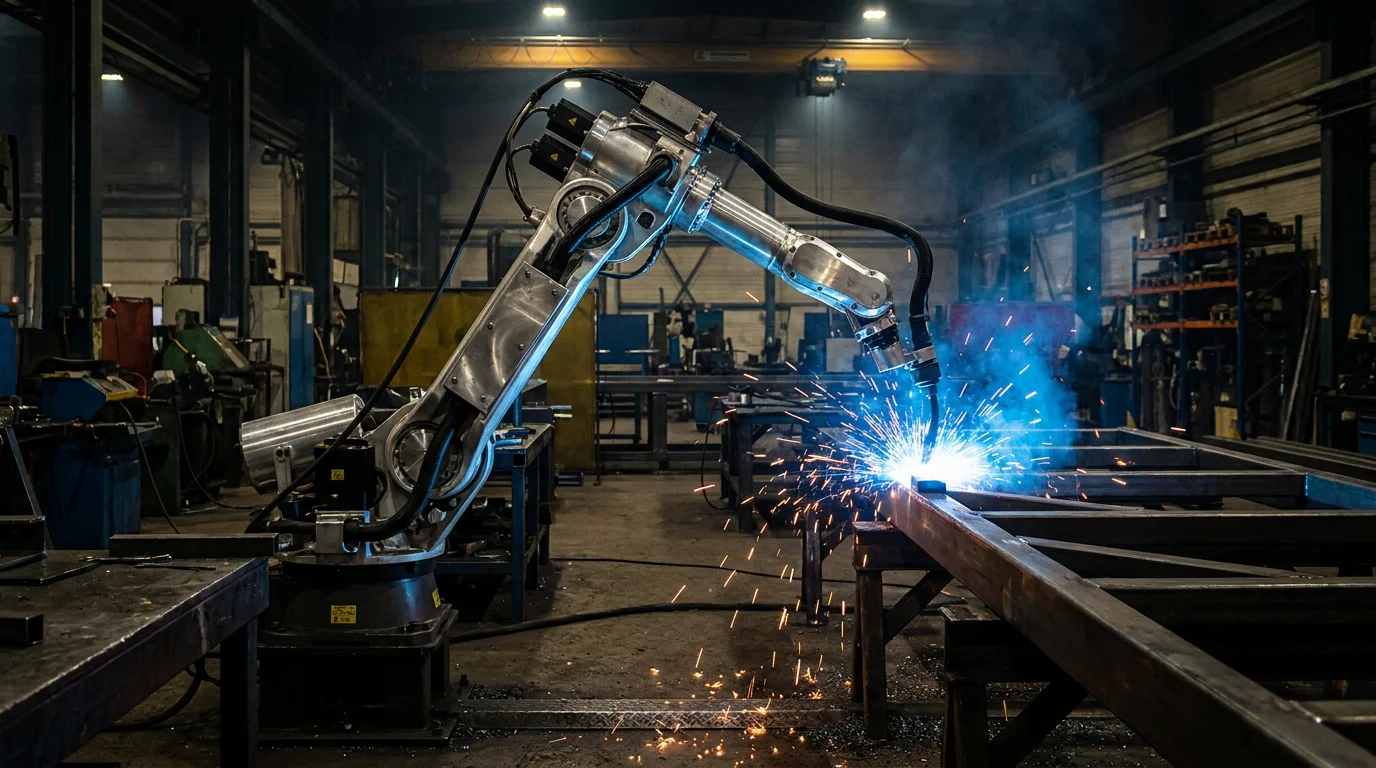
Collaborative Robot Joint Modules: Safety, Compliance and Selection
Cobot joint modules prioritize functional safety, sensitive force detection, and ergonomic design to enable safe human-robot collaboration.

EtherCAT Communication for High-Performance Robot Joint Modules
EtherCAT setup involves mastering distributed clocks, line topology wiring, and proper ESI file configuration for real-time multi-axis control.

Selecting Robot Joint Modules for Automated Welding Applications
Welding robot joints require zero backlash, high EMI immunity, and robust thermal management to withstand the rigors of automated manufacturing.
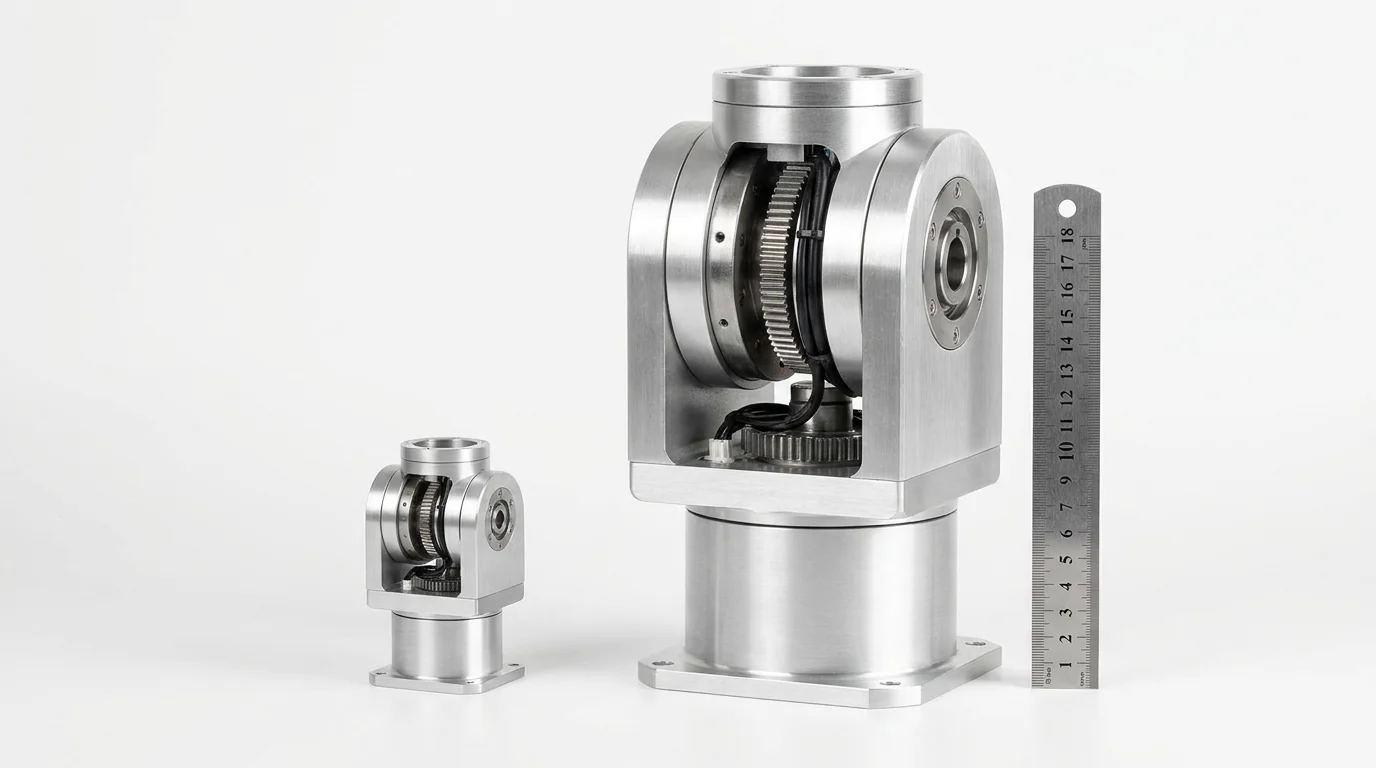
Absolute vs Incremental Encoders: What Robot Builders Need to Know
Absolute encoders offer safety and convenience through 'homing-free' operation, while dual-encoder systems provide the ultimate in path accuracy.
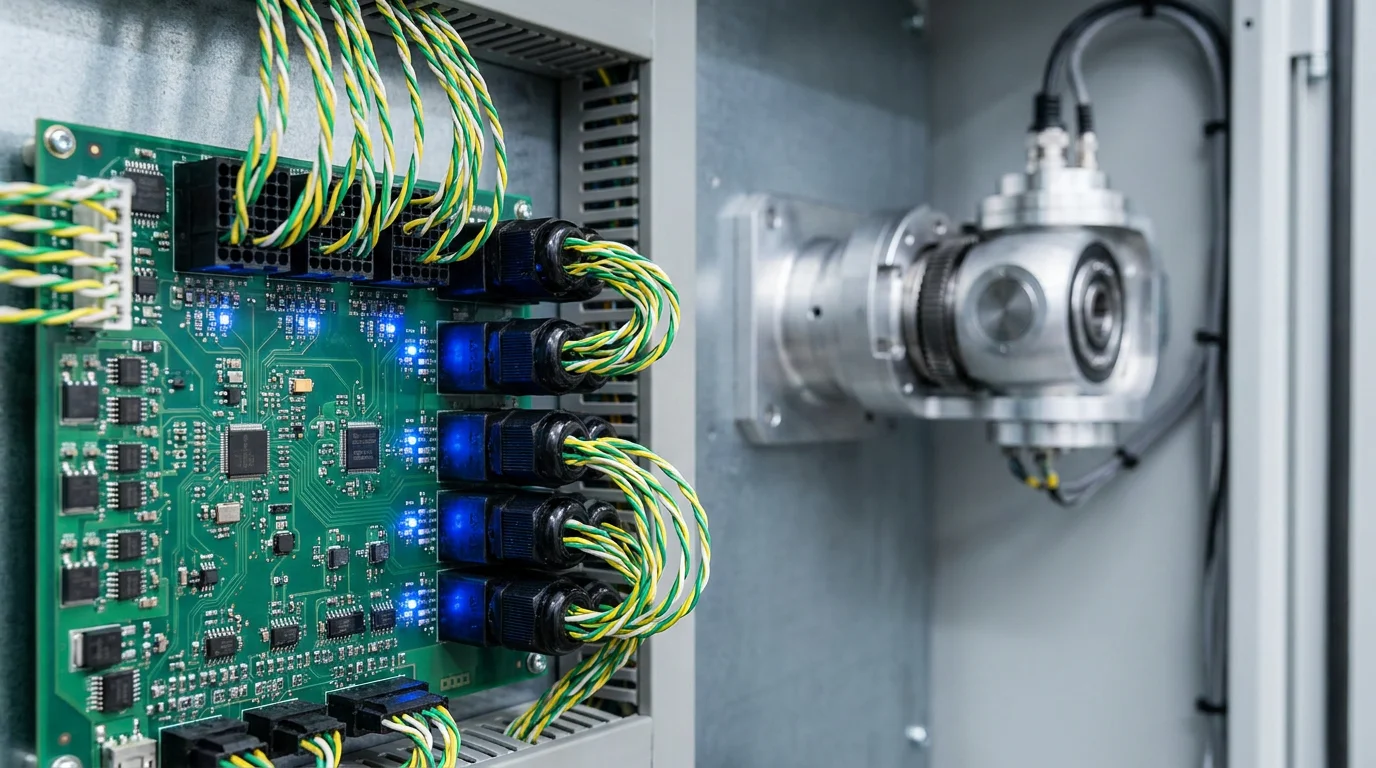
How to Match Robot Joint Modules to Your Payload Requirements
Sizing joints by payload requires balancing joint weight, arm reach, and bearing capacity to ensure stable and efficient robot operation.
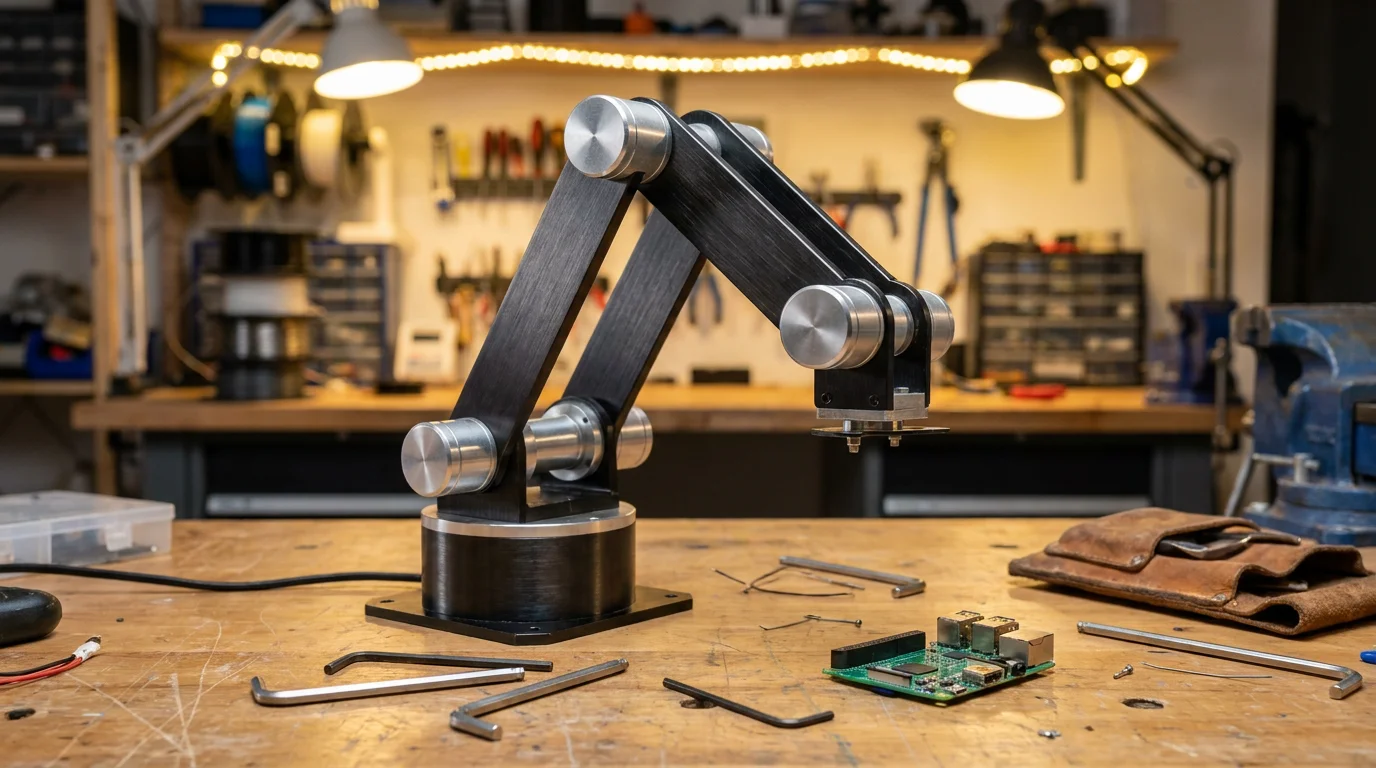
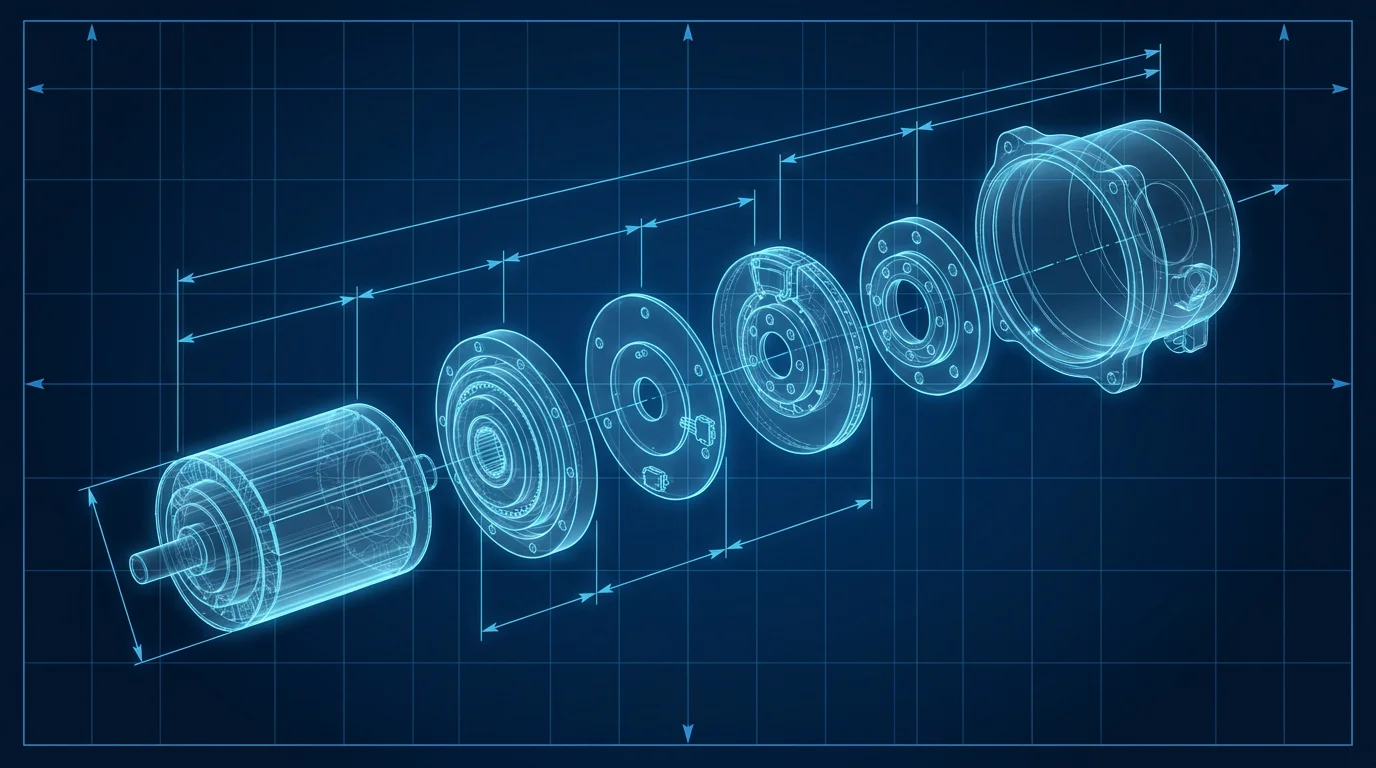
Inside a Robot Joint Module: Motor, Encoder, Brake & Driver Explained
A robot joint module integrates a frameless BLDC motor, harmonic reducer, dual absolute encoders, and a servo driver into a single, high-performance assembly.
CANopen for Robot Joint Modules: Setup and Troubleshooting
Successful CANopen implementation requires a solid grasp of PDO mapping, correct physical termination, and the use of SYNC messages for multi-axis coordination.