
ROS2 Integration for Robot Joint Modules: Step-by-Step Setup
Learn how to integrate high-performance robot joint modules with ROS2. A comprehensive guide covering URDF, ros2_control, and driver configuration for industrial actuators.

Best Robot Joint Modules for Small Desktop Robotic Arms
Desktop robots require small but professional-grade joint modules that offer zero backlash and industrial communication protocols to move beyond hobbyist toys.
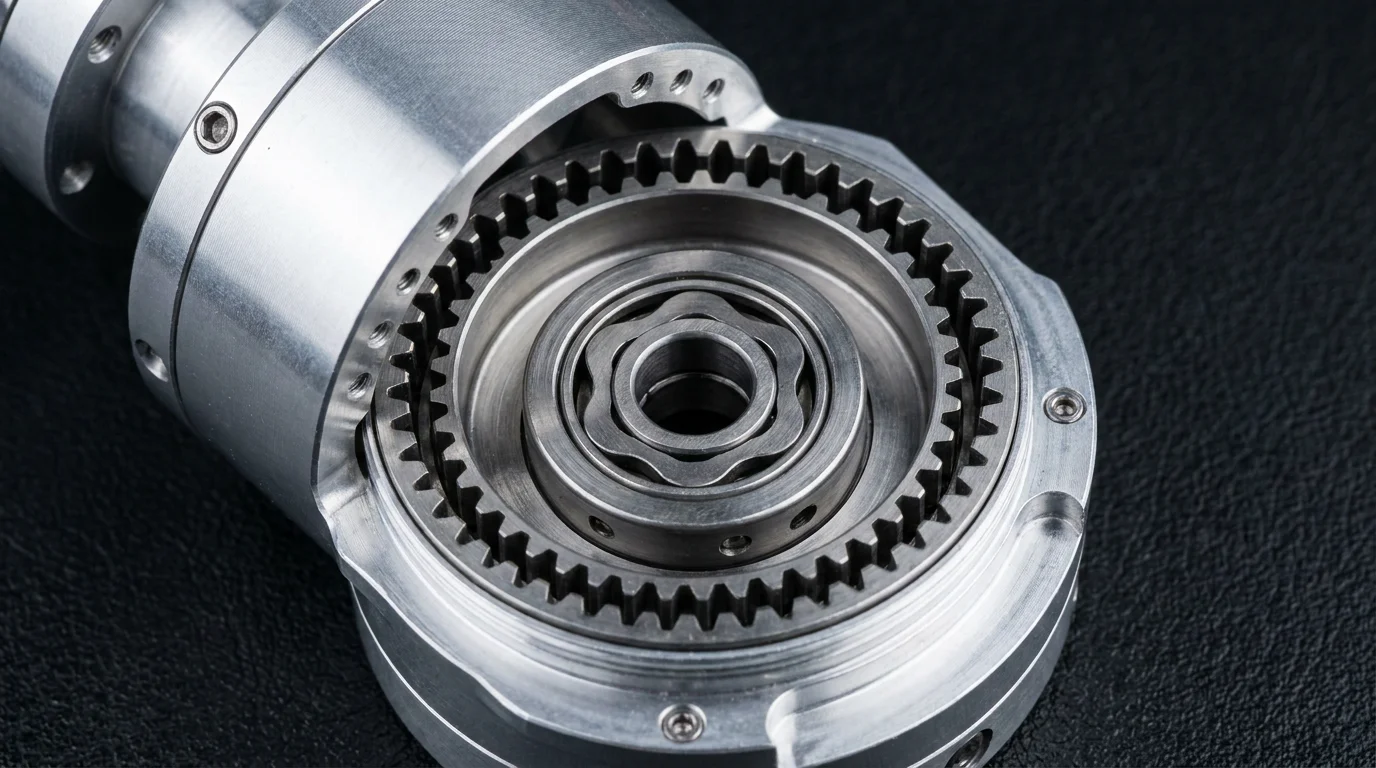
Robot Joint Modules in Laboratory Automation and Liquid Handling
Laboratory robot joints prioritize precision, cleanliness, and silent operation to enable flexible and reliable automation in sterile research environments.

IP65 Sealed Robot Joint Modules for Harsh Environments
IP65-rated joints use specialized dynamic seals and corrosion-resistant materials to enable robotic operation in wet, dusty, and chemically harsh environments.
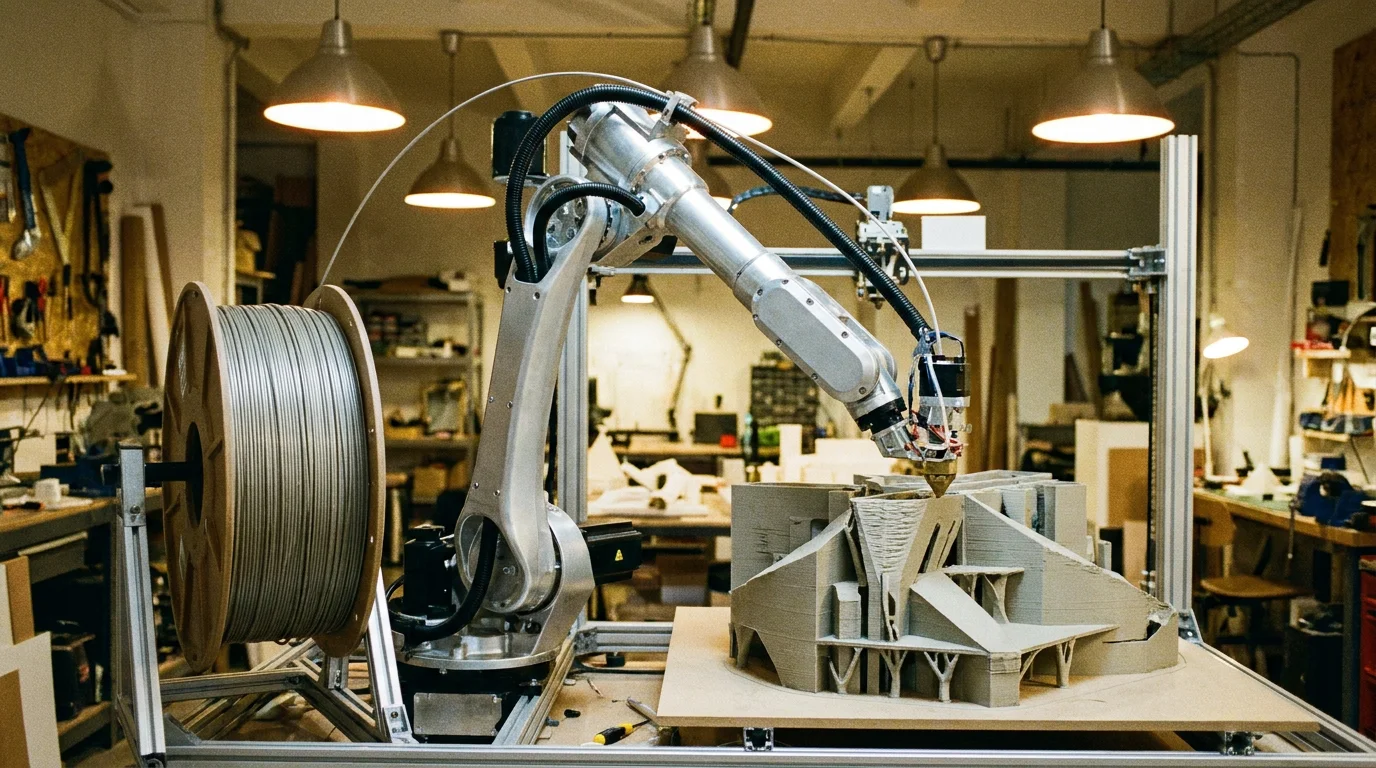
Thermal Management in Robot Joint Modules: Keeping Your Actuators Cool
Thermal management in integrated joints relies on high-conductivity housings, passive cooling through arm structures, and intelligent software throttling.

Robot Joint Modules for Humanoid Robots: Shoulder, Elbow and Wrist Design
Humanoid robot joints must be lightweight, compact, and capable of force-sensing to enable natural movement and safe human interaction.
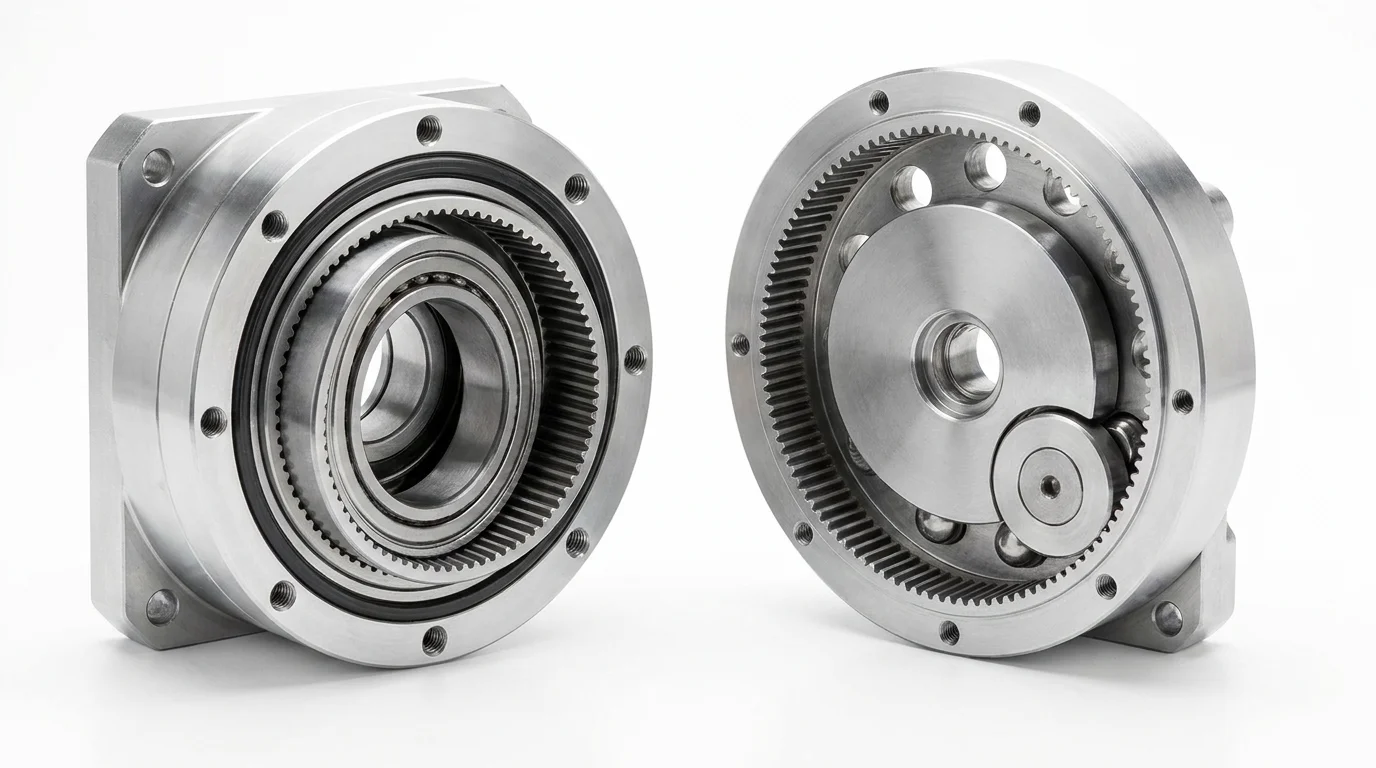
Wiring and Power Supply Guide for Robot Joint Modules
Efficient robot wiring relies on 48V power buses, shielded daisy-chained communication, and internal routing through hollow-shaft joints.

Robot Joint Module Size Comparison: 52mm to 170mm Diameter Shootout
Choosing the right joint size involves 'tapering' the modules from a high-torque base to a lightweight, agile wrist to maximize robot performance.

PMSM vs BLDC: Choosing the Right Motor for Your Robot Joint Module
PMSM motors offer smoother motion and higher efficiency than BLDC motors, making them the preferred choice for high-precision robotic applications.