Heat is the silent killer of robot performance. As a joint module works, the electrical resistance in the motor windings and the mechanical friction in the gearbox generate heat. If this heat isn't managed, the motor will lose torque, the electronics may fail, and the lubricant in the harmonic drive will break down. Understanding thermal management is the key to building a robot that can run 24/7 without stopping.
1. Why Integrated Modules Run Hotter
In a traditional robot, the motor and the driver are separate. In an integrated module, they are centimeters apart inside a sealed metal housing. This 'double heat source'—the motor coils and the driver's MOSFETs—creates a significant thermal challenge. Without a fan (which would introduce dust, moisture, and noise), the module must rely on 'conduction' and 'convection' to stay cool. This is why the housing of a PlaPivot module is made from high-grade aircraft aluminum; it's not just for strength, it's a giant heatsink designed to pull heat away from the sensitive internal components as quickly as possible. The integrated driver's power stage is thermally bonded to the housing to ensure the electronics stay well below their 85°C limit even under heavy load.
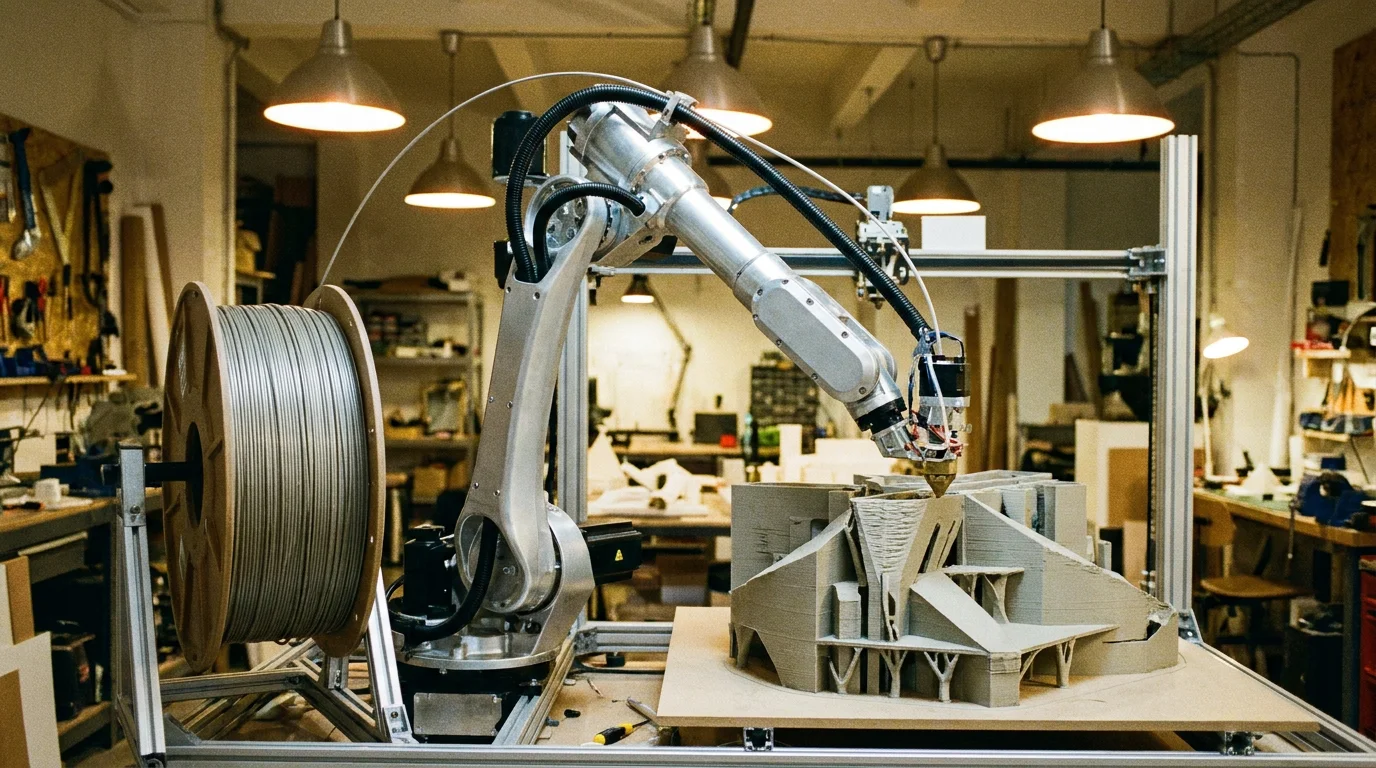
Figure: Technical implementation of Thermal Management in Robot Joint Modules: Keeping Your Actuators Cool. High-precision components for reliable robotic motion.
2. Passive Cooling: Fins and Surface Area
The most effective way to keep a joint cool is to increase its surface area. You'll notice that our larger modules (PP-100 and above) often feature integrated cooling fins on the exterior. These fins use natural convection to dissipate heat into the surrounding air. When mounting a module to your robot's arm, the arm itself can act as an 'extended' heatsink. Mounting the module to a large aluminum or carbon fiber plate will significantly improve its thermal performance by providing a larger 'thermal mass' and surface area for dissipation. Conversely, mounting it to a plastic or insulated material will trap the heat inside, forcing you to 'derate' (reduce the power) of the motor to prevent damage. Proper thermal mounting can increase continuous torque capacity by up to 20%.
3. Thermal Monitoring and Software Protection
Every PlaPivot joint module contains multiple thermal sensors—one embedded in the motor windings and one on the driver PCB's power stage. The integrated firmware constantly monitors these temperatures at a millisecond rate. If the module gets too hot, the driver will automatically reduce the maximum current limit (thermal throttling) to allow it to cool down while still maintaining motion. If the temperature continues to rise to a dangerous level, the module will trigger an E-stop to protect the hardware from permanent damage. You can monitor these temperatures in real-time over CANopen or EtherCAT, allowing your central controller to adjust the robot's cycle time or speed dynamically to stay within safe thermal limits. This 'proactive' thermal management is what prevents unexpected failures during high-intensity production shifts.
Figure: Technical implementation of Thermal Management in Robot Joint Modules: Keeping Your Actuators Cool. High-precision components for reliable robotic motion.
4. Duty Cycles and 'Thermal Equilibrium'
When sizing a robot, you must distinguish between 'Peak Torque' and 'Continuous Torque.' Peak torque is for short bursts (accelerating); continuous torque is what the module can handle forever without overheating. A robot that is constantly moving at 100% speed and payload will eventually reach 'thermal equilibrium'—the point where it is generating heat faster than it can dissipate it. For industrial applications, we recommend a 60-70% duty cycle as a safety margin. This ensures the modules stay in their 'sweet spot,' extending the life of the harmonic drive lubricant (preventing thinning) and ensuring that the robot's accuracy doesn't drift as the components expand with heat. Understanding the 'thermal time constant' of your joint allows you to plan movements that maximize throughput without hitting thermal limits.
5. Lubrication and Heat: Protecting the Gearbox
The gear reducer is the most heat-sensitive part of the joint. High temperatures cause the grease inside the harmonic drive to lose its viscosity, leading to increased friction, which creates even more heat—a dangerous 'thermal runaway' loop. PlaPivot uses specialized high-temperature synthetic greases that are designed to maintain their lubricating properties up to 100°C. However, for the longest lifespan, the gearbox should ideally stay below 60°C. Regular inspection of the lubricant is recommended for robots running in hot environments. By keeping your joints cool, you're not just protecting the motor; you're ensuring that the precision-ground teeth of your harmonic drive don't experience premature wear due to lubrication failure.
Ready to start your build?
Our engineering team is ready to help you select the perfect robot joint modules for your application. Get expert advice and a custom quotation within 24 hours.
Get a Quote & DatasheetRelated articles you might find useful: