Teaching robotics used to mean choosing between expensive, closed-source industrial arms or flimsy, low-power hobby kits. Integrated joint modules have changed the game for universities and STEM labs. By using the same technology found in industrial cobots, but in a modular and accessible format, educators can now provide students with a 'building block' approach to robotics. Here’s why modular actuators are becoming the standard for modern engineering curricula.
Bridging the Gap Between Theory and Practice
In a typical robotics course, students learn about kinematics, dynamics, and control theory on a whiteboard. With modular joint modules, they can immediately apply these concepts. Students can build a 2-DOF SCARA robot one week, and reconfigure the same modules into a 3-DOF delta robot the next. This 'hands-on' flexibility reinforces the underlying math and allows for rapid experimentation that is impossible with fixed-geometry robotic arms.
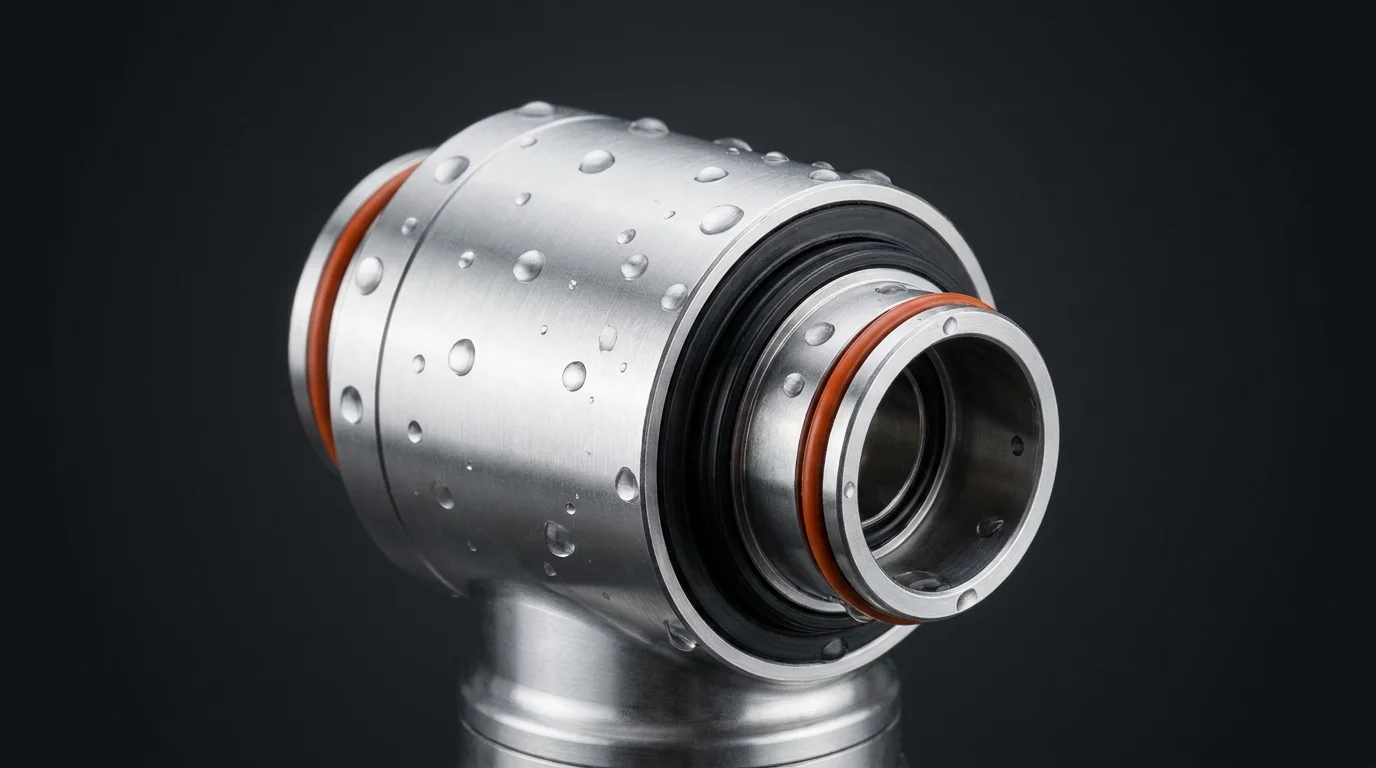
Technical illustration for Robot Joint Modules for STEM Education and University Robotics Labs.
Python-Based Control and Open SDKs
For students, the barrier to entry is often the complex coding required for industrial controllers. PlaPivot modules solve this by offering a high-level Python SDK. Students can control joints with just a few lines of code: `joint.move_to(90)`. This allows them to focus on the 'logic' of the robot—such as computer vision or path planning—rather than getting bogged down in low-level register mapping. For advanced students, we still provide full access to the CANopen and EtherCAT protocols for deep-dive control research.
Safety Features for the Classroom
Safety is the number one concern in any school lab. Our educational-grade modules feature sensitive 'Collision Detection' and adjustable torque limits. If a student makes a programming error and the robot hits an obstacle, the module detects the spike in current and stops instantly, preventing injury or equipment damage. This 'cobot' style behavior gives students the confidence to experiment and learn through trial and error without the fear of a costly or dangerous accident.
Technical illustration for Robot Joint Modules for STEM Education and University Robotics Labs.
Cost-Effective Lab Scaling
Budgets are always tight in education. Instead of buying one $50,000 industrial robot that only four students can use, a lab can buy twenty individual joint modules for the same price. This allows for a much higher student-to-robot ratio. Furthermore, because the modules are standardized, if a single unit is eventually worn out or damaged by years of student use, the university only needs to replace one module rather than the entire robotic system.
Preparing Students for the 2026 Job Market
The robotics industry is moving toward modularity and integration. By training on modular joint modules, students are learning the exact technology they will encounter in the workforce. Whether they go on to work for a major automotive manufacturer or start their own robotics company, understanding how to integrate, tune, and program smart actuators is a highly marketable skill. We are proud to partner with leading universities to ensure the next generation of engineers is ready for the future of automation.
Ready to start your build?
Our engineering team is ready to help you select the perfect robot joint modules for your application. Get expert advice and a custom quotation within 24 hours.
Get a Quote & DatasheetRelated articles you might find useful: