The global market for robot joint modules has shifted dramatically in the last five years. Historically, European and Japanese manufacturers dominated the high-end precision market. Today, Chinese manufacturers like PlaPivot have bridged the quality gap while offering significant advantages in speed and cost. For an OEM choosing a supplier, understanding the nuances of this 'East vs West' comparison is essential for long-term success.
The Quality Gap: Perception vs. Reality in 2026
The old stereotype of 'low-cost, low-quality' Chinese components is rapidly fading. Today, the top-tier Chinese actuator manufacturers use the same CNC machines (often DMG Mori or Mazak) and the same testing equipment (Renishaw or Hexagon) as their European counterparts. In terms of raw specs—precision, torque density, and weight—many Chinese modules are now indistinguishable from European brands. The difference often lies in the brand heritage rather than the physical performance of the hardware.
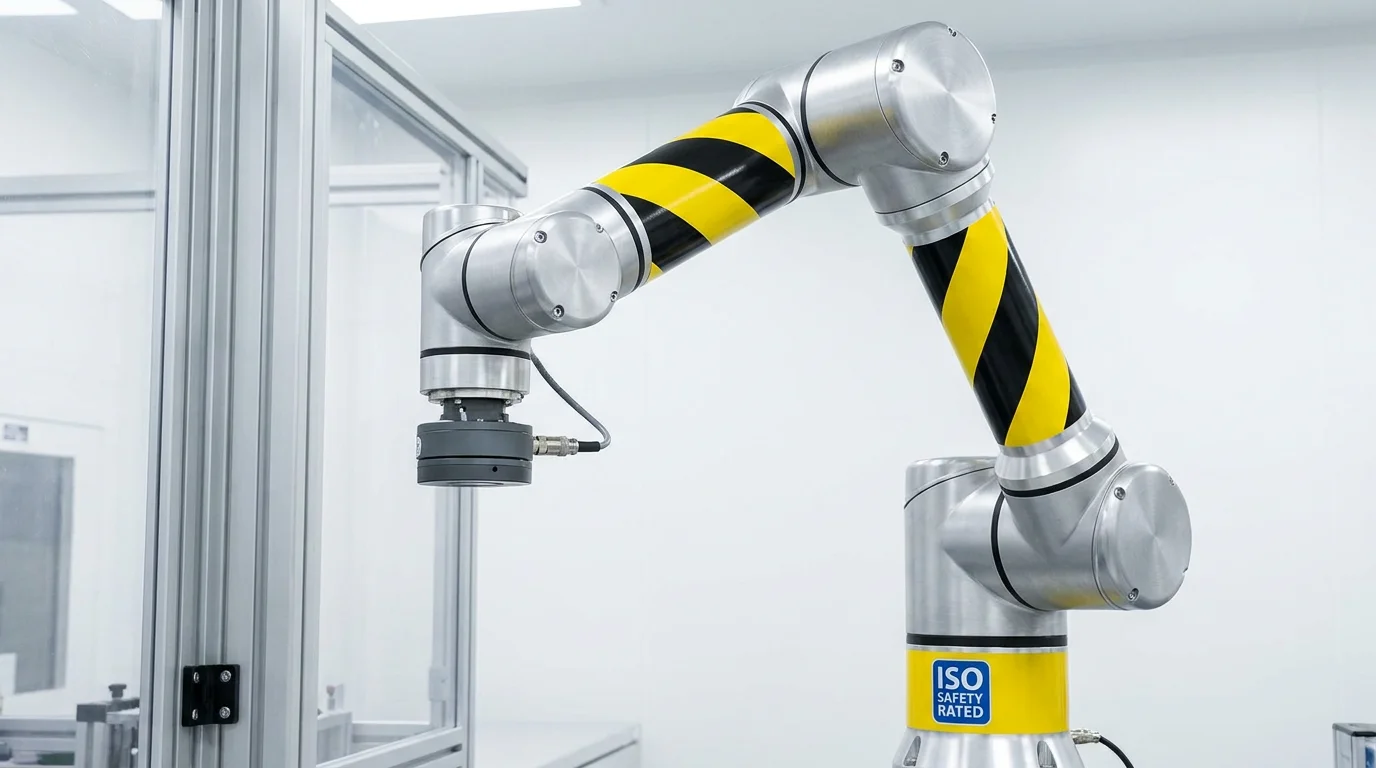
Technical illustration for China vs Europe Robot Joint Modules: Performance and Value Comparison.
Lead Times and Supply Chain Agility
One of the biggest advantages of Chinese manufacturers is their speed. While European suppliers might have lead times of 12 to 24 weeks for custom or high-demand modules, Chinese firms often deliver in 4 to 6 weeks. This is due to the dense ecosystem of component suppliers in regions like the Pearl River Delta. For a startup or an OEM trying to iterate quickly, this difference in lead time can be the deciding factor between a project succeeding or missing its market window.
Cost Efficiency and Total Cost of Ownership
It’s no secret that Chinese modules are more affordable—often 30% to 50% less than European equivalents. This isn’t just about lower labor costs; it's about massive economies of scale and a more vertically integrated manufacturing process. However, buyers should look at the 'Total Cost of Ownership.' A cheaper module that lacks good documentation or local support can end up costing more in engineering hours. That’s why PlaPivot invests heavily in English-language support and comprehensive digital datasheets.
Technical illustration for China vs Europe Robot Joint Modules: Performance and Value Comparison.
Innovation and Market Responsiveness
European manufacturers often excel at incremental improvements to classic designs. Chinese manufacturers, on the other hand, are often more willing to experiment with new integrated features—such as built-in wireless diagnostics or novel cooling geometries. This 'fail-fast' innovation culture has led to the rapid development of the collaborative robot (cobot) market, where Chinese joint modules have become the de-facto standard for the newest generation of lightweight, affordable robots.
The Verdict: Which Should You Choose?
The choice depends on your specific needs. If your brand relies on a 'Made in Europe' label for marketing or if you require ultra-niche certifications (like specific nuclear or aerospace ratings), European suppliers remain the choice. However, for 90% of industrial, commercial, and educational applications, Chinese joint modules like those from PlaPivot offer a superior value proposition: equivalent performance, faster delivery, and a price point that allows for much wider deployment of robotic technology.
Ready to start your build?
Our engineering team is ready to help you select the perfect robot joint modules for your application. Get expert advice and a custom quotation within 24 hours.
Get a Quote & DatasheetRelated articles you might find useful: