In food processing, the requirements for robotic components are uniquely demanding. They must not only be precise and reliable but also sanitary and resistant to aggressive cleaning regimes. Food-grade joint modules are essential for automating tasks from raw meat handling to bakery packaging.
Sanitary Design: More Than Just Waterproofing
Food-grade robot joint modules must be designed from the ground up to prevent bacterial growth. This means 'sanitary design' principles are applied to every surface. Modules must have smooth, rounded exteriors with no crevices, exposed bolt heads, or 'dead zones' where food particles can accumulate. Stainless steel (often 316L grade) is the preferred material for the housing due to its corrosion resistance and ability to withstand harsh chemicals. While a standard industrial joint might be IP65, food-grade actuators are often rated IP69K, meaning they can survive high-pressure, high-temperature washdowns—the standard cleaning procedure in food factories.
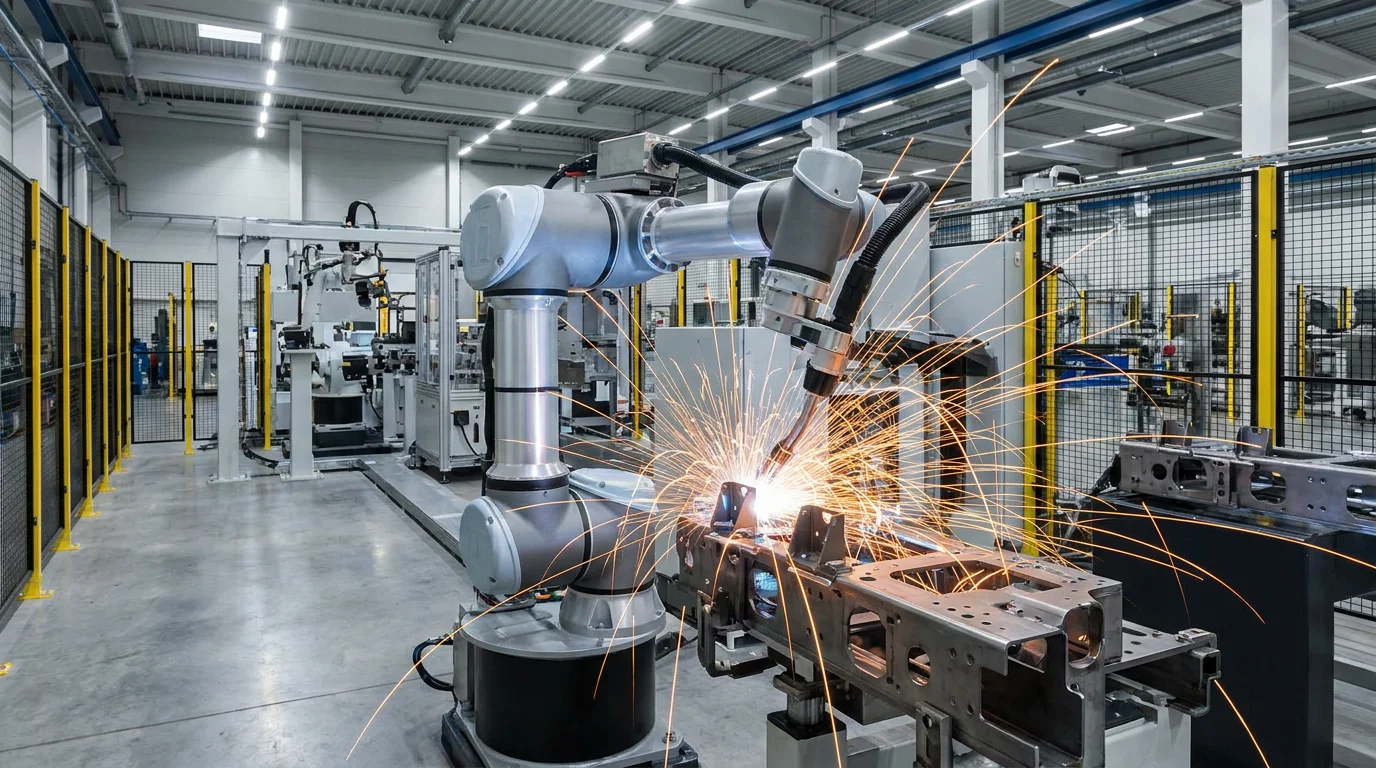
Technical illustration for Food-Grade and Washdown Robot Joint Modules for Food Processing.
The Role of NSF-H1 Food-Grade Lubricants
In a food processing environment, there is always a risk of 'incidental food contact.' Therefore, all lubricants used inside the joint module must be NSF-H1 certified. These food-grade greases are non-toxic, odorless, and tasteless. However, they must still provide the high-pressure performance required for precision gearboxes like harmonic drives. Developing a grease that is both safe for food and capable of protecting gears under high torque was a major engineering challenge. Modern food-grade joint modules use these specialized lubricants to ensure that if a seal ever failed, the production batch wouldn't be contaminated with toxic industrial oil.
Resistance to Corrosion and Harsh Chemicals
Cleaning a food production line often involves aggressive alkaline or acidic foaming agents followed by high-pressure rinsing. Standard aluminum housings or traditional paint would quickly corrode or peel under these conditions. Food-grade joints use specialized coatings or, more commonly, full stainless steel construction. Even the seals must be made from FDA-approved materials like EPDM or Viton that won't degrade when exposed to sanitizing chemicals. This durability ensures that the robot can maintain its precision and hygiene standards over years of daily washdown cycles without the need for frequent part replacements.
Technical illustration for Food-Grade and Washdown Robot Joint Modules for Food Processing.
Thermal Management in Cold and Hot Environments
Food processing often happens at temperature extremes—from near-freezing meat processing rooms to hot bakery environments. Joint modules must be able to operate consistently across this range. In cold environments, the internal grease can thicken, increasing friction and potentially causing errors. Advanced food-grade actuators incorporate internal heaters or use low-temperature-optimized lubricants to ensure smooth startup. Conversely, in hot environments, the module's sealing and internal electronics must be robust enough to handle the ambient heat plus the heat generated by the motor during operation. Proper thermal design ensures the robot maintains its speed and accuracy regardless of the room temperature.
Applications: From Butchery to Packaging
Food-grade robots are finding applications across the entire industry. In 'primary' processing, robots equipped with sanitary joints are used for precision cutting and deboning of meat, tasks that require both high force and high precision. In 'secondary' processing, they handle the sorting and placing of delicate items like chocolates or pastries into trays. Because the joint modules are washdown-ready, the same robot can be used in different parts of the factory with minimal risk of cross-contamination. As labor shortages continue to affect the food industry, these specialized robotic solutions are becoming a critical component of modern, hygienic food production lines.
Ready to start your build?
Our engineering team is ready to help you select the perfect robot joint modules for your application. Get expert advice and a custom quotation within 24 hours.
Get a Quote & DatasheetRelated articles you might find useful: